
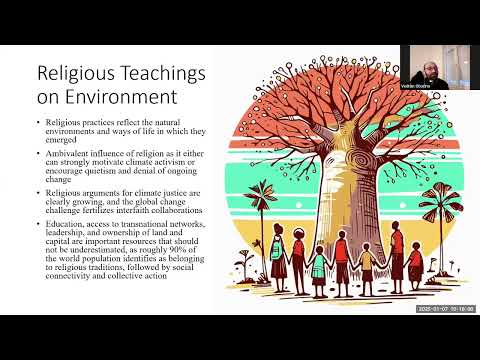
This blog post explores the intersection of religion and environmental ethics, highlighting how various religious traditions can contribute to addressing the environmental crisis through moral teachings, community action, and interfaith collaboration.
The environmental crisis is a pressing issue that affects everyone on the planet. From biodiversity loss to climate change, the signs of degradation are evident. While many religious communities have historically approached environmental issues from a theological perspective, the urgency of the current situation is prompting a shift towards more active engagement. This post explores how various religions can contribute to environmental ethics and action.
The world is facing significant environmental challenges, including soil degradation, climate change, and natural disasters. These issues not only impact the natural world but also affect human relationships and societal structures. As a result, religious communities are increasingly called to respond not just in theory but through practical action.
Religions often critique consumerism and capitalism, recognizing that these systems can harm both the environment and humanity. The ethical dilemma of environmental justice arises from the realization that environmental degradation disproportionately affects marginalized communities. Religious teachings can provide a moral framework for addressing these injustices and promoting sustainable practices.
For the first time, the United Nations has included religious communities in its Sustainable Development Goals (SDGs) for 2030. This inclusion reflects a growing recognition of the role that faith-based organizations can play in achieving sustainability. The encyclical "Laudato Si'" by Pope Francis has been pivotal in reshaping the dialogue around religion and environmental action, advocating for an integrated approach to theology and ecology.
Religions can offer several key contributions to environmental action:
Hinduism promotes a view of the world that emphasizes the interconnectedness of all beings. Despite some philosophical views that regard the material world as an illusion, there is a strong call for humans to protect and care for the environment.
Buddhism teaches interdependence and the importance of harmony with nature. Eco-Buddhism advocates for a non-dominating relationship with the natural world, emphasizing the need for conservation and respect for all life forms.
Judaism presents a dual perspective on humanity's role in creation: as stewards responsible for perfecting the world. This tradition encourages ethical engagement with the environment, viewing it as a divine mandate.
Christianity has emerged as a leading voice in environmental ethics, with various denominations advocating for stewardship of the Earth. The influence of animal rights and feminist theology has enriched this discourse, promoting a more inclusive approach to environmental justice.
Islam emphasizes the role of humans as guardians of creation. Islamic teachings encourage sustainable practices and respect for the environment, rooted in the belief that all creation is a sign of God's presence.
Indigenous cultures often embody a deep connection to the land, viewing nature as part of a larger cosmic system. Their practices promote harmony and sustainability, offering valuable insights for contemporary environmental ethics.
While many religious communities are eager to engage in environmental action, there are challenges, including differing beliefs about climate change and the role of consumption. However, the potential for collaboration among diverse faiths presents an opportunity to address these challenges collectively.
Religious communities hold significant potential to influence environmental ethics and action. By leveraging their moral teachings, community networks, and interfaith collaborations, they can play a crucial role in addressing the environmental crisis. As the world faces unprecedented challenges, the call for religious engagement in environmental stewardship has never been more urgent.



















