
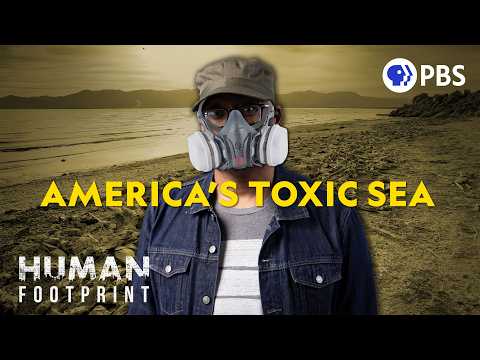
The Salton Sea, once a vibrant tourist destination, now faces ecological disaster due to agricultural runoff and mismanagement of water resources. This blog explores the history, current challenges, and health impacts of this environmental crisis in California's Imperial Valley.
The Salton Sea, located in California's Imperial Valley, was once a bustling tourist destination, attracting visitors with its idyllic shores and recreational opportunities. However, today it stands as a stark reminder of environmental mismanagement and the consequences of human activity. This blog post delves into the history of the Salton Sea, the agricultural practices that contributed to its decline, and the ongoing health crisis faced by the local community.
In the early 1900s, the Salton Sea was formed when floodwaters from the Colorado River breached a canal, flooding a low-lying area. Initially, it became a popular retreat, drawing celebrities and tourists alike. However, the beauty of the Salton Sea was short-lived. Over the years, agricultural runoff, untreated sewage, and industrial waste began to accumulate in its waters, leading to severe ecological degradation.
The Imperial Valley, fed by the Colorado River, has been a crucial agricultural hub, producing a significant portion of the nation’s winter vegetables. Farmers like Alex Jack, who have been in the business for generations, rely on a complex irrigation system that diverts water from the Colorado River. While this system has allowed for the cultivation of vast agricultural lands, it has also resulted in the Salton Sea becoming a dumping ground for agricultural runoff.
The Colorado River Compact of 1922 allocated a substantial portion of the river's flow to California, with the Imperial Valley receiving about two-thirds of that allocation. This federal water is inexpensive, costing farmers around $20 per acre-foot, compared to much higher rates in urban areas like San Diego. However, the efficiency of water use in agriculture does not mitigate the environmental consequences of runoff.
As water use in the valley decreases, the Salton Sea is shrinking, exposing toxic sediments that have accumulated over decades. These sediments, laden with fertilizers, pesticides, and other chemicals, are now being stirred up by the winds, creating a public health crisis.
Luis Olmedo, an advocate for the local community, highlights the alarming health trends associated with the Salton Sea. The region has one of the highest rates of pediatric asthma in the United States, attributed to the toxic particulates released into the air. Furthermore, residents near the Salton Sea experienced the highest COVID-19 death rates in California, underscoring the intersection of environmental and public health issues.
The ecological collapse of the Salton Sea has also led to the death of thousands of birds and fish, further illustrating the dire state of this once-thriving ecosystem. The combination of environmental degradation and health crises paints a grim picture for the residents of the Imperial Valley.
As we look to the future, the question remains: how can we address the injustices and environmental challenges posed by the Salton Sea? New regulations governing water allocation are set to take effect in 2026, but the specifics of these rules are still under discussion. The challenge lies in balancing the needs of agricultural producers with the health and environmental concerns of the local community.
Recognizing the disparities in water access is crucial. As Alex Jack points out, the perception of fairness in water distribution varies greatly depending on one’s perspective. Those with access to water may see the system as just, while those without it experience the stark reality of scarcity. Bridging this gap will be essential for the future sustainability of the Colorado River and the communities that depend on it.
The Salton Sea serves as a powerful reminder of the long-term consequences of human actions on the environment. It illustrates that the choices we make today can have ripple effects that last for generations. As we confront the challenges posed by climate change and resource management, the lessons learned from the Salton Sea must inform our approach to environmental stewardship and public health. The future of this region depends on our ability to recognize and address these interconnected issues.



















