
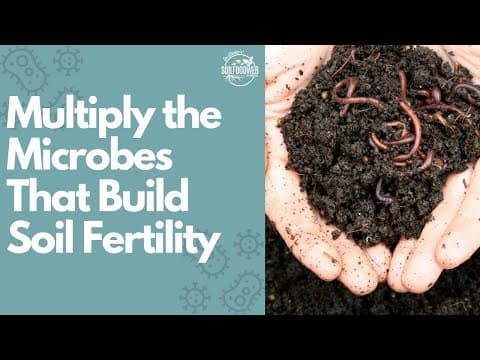
This blog post explores the key principles of composting and soil fertility, focusing on the importance of multiplying beneficial microorganisms. Experts discuss methods for effective composting, the role of temperature, moisture, and oxygen, and how to create a thriving soil ecosystem. The insights shared are valuable for anyone interested in sustainable agriculture and soil health.
In the second installment of our webinar series, we delve into the fascinating world of soil fertility, specifically focusing on the multiplication of beneficial microbes that enhance soil health. This session features insights from experienced soil health consultants and educators who share their expertise on composting and the soil food web.
Dora is a soil health consultant and lecturer based in Finland. With a background in education and a passion for food systems, she has spent over 15 years exploring methods to improve soil health and food quality.
Isidora, residing in Spain, is also a soil consultant who works with local agricultural schools. She brings a wealth of knowledge about the soil food web and its application in sustainable agriculture.
Brian, from North Dakota, has extensive experience managing various farming projects across the US and Latin America. His expertise includes organic farming and large-scale composting.
Nick, a farm manager from the UK, runs Wild Soils, a business dedicated to supporting sustainable farming practices. He is also a mentor in the Soil Food Web community.
The soil food web is a complex network of organisms that interact within the soil ecosystem. It includes bacteria, fungi, protozoa, and nematodes, all of which play crucial roles in nutrient cycling and soil health. Understanding this system is essential for anyone looking to improve soil fertility.
Beneficial microorganisms are vital for breaking down organic matter, enhancing nutrient availability, and improving soil structure. Multiplying these microbes through effective composting practices can lead to healthier plants and more resilient ecosystems.
Maintaining the right temperature is crucial for successful composting. The ideal range for thermophilic composting is between 55°C (131°F) and 74°C (165°F). This temperature range helps eliminate pathogens and weed seeds while promoting the growth of beneficial microorganisms.
Moisture is essential for microbial activity. Compost piles should be kept moist but not overly wet. A good rule of thumb is to aim for a moisture content of around 60%. Regularly checking moisture levels and adjusting as necessary is key to maintaining an active compost pile.
Aerobic conditions are necessary for the growth of beneficial microbes. Ensuring adequate oxygen flow through the compost pile can be achieved by turning the pile regularly and using materials of varying sizes to create air pockets.
A successful compost recipe includes a mix of high-nitrogen materials (greens), carbon-rich materials (browns), and woody components for structure. The balance of these ingredients is crucial for achieving the desired microbial diversity and activity in the compost.
Using locally sourced materials not only reduces costs but also introduces indigenous microorganisms that are well-suited to the local environment. This practice enhances the effectiveness of the compost and supports the local soil ecosystem.
For those interested in large-scale composting, the principles remain the same, but the scale and equipment differ. Managing larger quantities of materials requires careful planning and consideration of moisture and temperature management, as well as the use of appropriate machinery.
The journey to improving soil fertility through the multiplication of beneficial microbes is both an art and a science. By understanding the principles of composting and the soil food web, farmers and gardeners can create healthier soils that support robust plant growth. As we continue to explore these topics in future webinars, we invite you to join us in this exciting journey towards sustainable agriculture and soil health.



















