
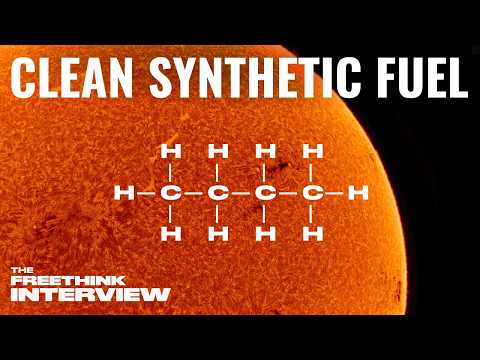
Casey Handmer discusses the potential of solar energy to revolutionize energy production by creating synthetic fuels, highlighting its cost-effectiveness, scalability, and environmental benefits, while emphasizing the urgency of transitioning from fossil fuels to sustainable energy sources.
In the United States, energy consumption reaches approximately 100 quadrillion BTUs annually, making it a critical component of societal functioning. A decade ago, the outlook for combating climate change seemed bleak, with two stark choices: continue burning fossil fuels for a decent quality of life or shut down oil and gas wells, leading to a rapid decline in living standards. However, the landscape has changed dramatically since then.
Solar energy has become significantly cheaper, now more affordable than even the most optimistic predictions for 2150. Currently, solar accounts for about 5-6% of global electricity generation, but projections suggest that by 2042, 95% of humanity's energy needs could be met through solar photovoltaic power.
Casey Handmer, founder and CEO of Terraform Industries, is at the forefront of this solar revolution. His company is developing machines that convert sunlight and air into synthetic natural gas, showcasing the potential of solar energy to meet future energy demands.
The future of energy is leaning heavily towards electricity, and solar photovoltaic energy stands out as a primary source capable of significantly increasing energy availability over the next centuries. The reasons for this preference are primarily cost-related.
In the past year, humanity deployed around 460 gigawatts of solar energy, equivalent to installing a five-acre solar array every minute. This deployment rate has accelerated, with growth rates reaching 50-55% annually. Projections indicate that by the end of this decade, we could see installations of two to five terawatts per year.
A common misconception is that transitioning to solar energy would require more land than is available. In reality, only about 5% of the Earth's land surface area is needed to power the world at current consumption levels. This area is less than one-seventh of uninhabited deserts, leaving ample space for solar installations.
The transition from fossil fuels to synthetic products made from solar energy is crucial. Chemical energy constitutes about two-thirds of our energy intake and is a significant source of carbon emissions. The cost of solar energy is approaching a point where it becomes cheaper to produce synthetic fuels than to extract fossil fuels from the ground, with estimates suggesting this could happen at around $10 per megawatt hour.
Handmer emphasizes the need for a scalable and manufacturable product that can convert solar energy into usable fuel. The process involves:
Handmer posits that solar energy could represent the final stage of the industrial revolution. The sun delivers an astonishing 173,000 terawatts of power to Earth every second, and harnessing this energy could lead to unprecedented advancements in energy accessibility and affordability.
He envisions a future where every individual enjoys the same energy bounty at low costs, potentially lifting all of humanity out of extreme poverty. This transformation is not merely a dream; it is a necessity driven by the urgent need to address climate change and its impacts.
As we face the consequences of climate change—intensified storms, rising temperatures, and melting ice caps—now is the time to act. Handmer draws parallels to previous generations who faced monumental challenges, urging the current generation to rise to the occasion and leverage available technologies to combat climate change effectively.
In conclusion, the solar revolution is not just about energy; it is about creating a sustainable future for humanity. By investing in solar technology and synthetic fuels, we can pave the way for a cleaner, more equitable world, ensuring that future generations inherit a planet capable of supporting their needs.



















