
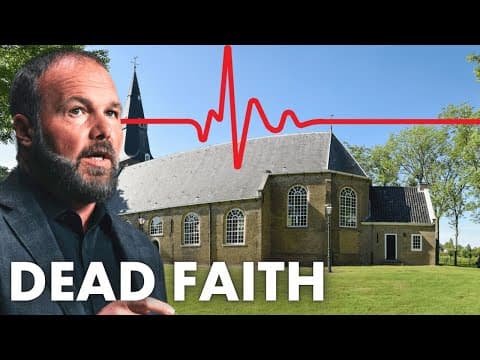
This blog post explores the current state of Evangelicalism, highlighting the decline in Biblical worldview among pastors, the rise of 'woke' churches, and the need for a return to true faith and integrity within the church community.
In recent years, there has been a growing concern regarding the state of Evangelicalism. Many believe that the church is undergoing a significant transformation, one that may not align with traditional Biblical teachings. This post delves into the findings of George Barna from the Cultural Research Center, which reveal alarming trends among Evangelical pastors and denominations.
According to Barna's research, only half of Evangelical pastors hold a Biblical worldview. This percentage is even lower in many denominations, which raises questions about the foundation of faith being taught in churches today. A Biblical worldview encompasses several core beliefs:
If pastors themselves do not adhere to these fundamental beliefs, it is unlikely that their congregations will either.
The situation is even more dire in mainline denominations, which many consider to be apostate. Notable examples include:
These churches have strayed from their Biblical roots, often embracing progressive ideologies that conflict with traditional teachings. The trend towards a 'soft woke' approach is evident, as entire denominations veer away from their foundational beliefs.
The message from the Spirit of God to the church is clear: there is a need for a return to a Biblical worldview. This is not merely about accepting Jesus for salvation but about living a life dedicated to Him every day. Eternal life begins the moment one meets Jesus, not at death.
The emergence of what some call the 'woke church'—characterized by social justice movements and progressive ideologies—has led to a significant shift in focus. This movement often prioritizes societal issues over Biblical truths, leading to a dilution of the Gospel message. The call to action is straightforward: if a church has abandoned God’s teachings, it may be time to leave and seek a community that remains faithful to Scripture.
Many churches today are hesitant to speak out against societal norms for fear of conflict. However, true faithfulness to God often leads to controversy. The goal should not be to avoid trouble but to engage in the right kind of trouble—standing firm in God’s truth and encouraging others to do the same.
There is a belief that judgment is coming for compromised Evangelicalism, including denominations and organizations that prioritize donor influence over God’s Word. This season of pruning is necessary to eliminate fruitless ministries and return to a remnant of true believers committed to God’s teachings.
The church is transitioning from a culture of celebrity to one of integrity. The focus is shifting from fame to faithfulness. It is crucial to distinguish between being controversial and being scandalous. Controversy arises from preaching the truth, while scandal involves moral failures and unethical behavior.
For those in leadership positions, particularly older men in ministry, there is a pressing need to remain steadfast in faith. Four key principles can guide leaders:
By adhering to these principles, leaders can inspire the next generation and ensure that they remain grounded in their faith.
As we reflect on the current state of Evangelicalism, it is evident that a return to Biblical teachings and integrity is essential. The church must stand firm against the tides of cultural change and remain committed to the truth of God’s Word. The future of Evangelicalism depends on the courage and faithfulness of its leaders and congregations alike.



















