
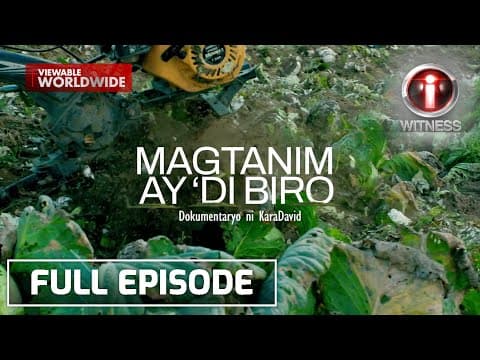
Farmers in Benguet Province face severe challenges in cabbage farming, including low market prices, oversupply issues, and the impact of imports, leading to significant financial losses despite their hard work and dedication.
January and February mark the coldest months in Benguet Province, signaling the maturity of cabbage plants. Farmers in Buguias have dedicated five months to cultivating these cabbages, only to face the harsh reality of their labor often going to waste. This blog post explores the challenges faced by these farmers, their hopes, and the systemic issues affecting their livelihoods.
Despite the cold weather, farmers in Buguias continue to harvest their crops. One such farmer, Janaret, has been planting cabbages since she was six years old, inheriting her land from her ancestors. With a capital investment of around 40,000 pesos, Janaret hopes to sell her cabbages for 20 pesos per kilo to break even. However, the market is unpredictable, and she acknowledges that farming is a gamble.
Janaret explains that even high-quality cabbages can lead to losses if buyers are unwilling to pay fair prices. The farmers have experienced months of bad luck, and while they hope for better prices, they are often met with disappointment. The harsh reality is that many cabbages end up discarded due to low offers from buyers, leading to significant financial losses.
The farmers in Benguet have been grappling with an oversupply of cabbages, which has led to a decrease in prices. Authorities attribute this to farmers planting too much, but local government officials point to the impact of imported vegetables, which have reduced demand for local produce. Dandy, a former public school teacher turned farmer, shares his frustration over the low prices, noting that in the past, they could sell cabbages for 20 pesos per kilo without issue.
The process of selling cabbages is complex. Farmers must go through disposers who negotiate prices with buyers, often resulting in lower earnings for the farmers. On a recent trip to La Trinidad Trading Post, it was revealed that cabbages were selling for as low as 10 pesos per kilo, far below the break-even price of 25 pesos. This situation leaves farmers like Dandy and Janaret with little to no profit after expenses.
After selling their cabbages, Janaret's husband, Juni, reported a total sale of 22,815 pesos, but after deducting expenses for packaging, transportation, and labor, they were left with only 6,400 pesos. This stark reality highlights the financial strain on farmers who invest significant time and resources into their crops.
Interestingly, while farmers sell cabbages for 10 pesos per kilo at the trading post, the same cabbages can fetch prices as high as 50 pesos in nearby wet markets. This discrepancy raises questions about the fairness of the pricing system and the impact of multiple intermediaries in the supply chain.
For farmers like Janaret, the emotional toll of seeing their hard work go unrewarded is profound. They continue to farm out of necessity, hoping to pay off debts and provide for their families. Janaret expresses her frustration, stating that the low prices feel insulting after months of labor.
During the documentary, a poignant scene reveals what can only be described as a "cabbage cemetery," where farmers leave their unsold produce to rot rather than incur further losses. This heartbreaking decision reflects the desperation of farmers who feel trapped in a system that undervalues their hard work.
Reports from the regional field office indicate that there is no actual oversupply of vegetables in the market, contradicting the narrative pushed by some authorities. The real issue seems to stem from a combination of factors, including importation and market dynamics that leave local farmers struggling.
The plight of cabbage farmers in Benguet is a stark reminder of the challenges faced by those who work the land. While pests and natural disasters are often seen as the primary threats to farming, the real enemies may be the systemic issues within the agricultural market. As farmers like Janaret and Dandy continue to hope for better days, it is crucial to address the underlying problems that lead to their suffering. The story of these farmers is not just about cabbages; it is about resilience, hope, and the fight for a fair chance in a challenging world.



















