
Geothermal energy is experiencing a renaissance due to technological advancements, particularly in AI and drilling techniques, which could significantly increase its contribution to global electricity production by 2050.
Some days it might feel like the world is going to hell, but there’s a good thing about hell: it’s hot down there. This brings us to the good news about geothermal energy. Previously, I believed that geothermal energy would always remain a minor contributor to global energy needs. My skepticism stemmed from the high costs associated with drilling and the limited number of locations on Earth where the heat at moderate depths is sufficient to generate substantial energy. If the ground below is that hot, I would personally prefer to stay away from it, but perhaps that’s just me.
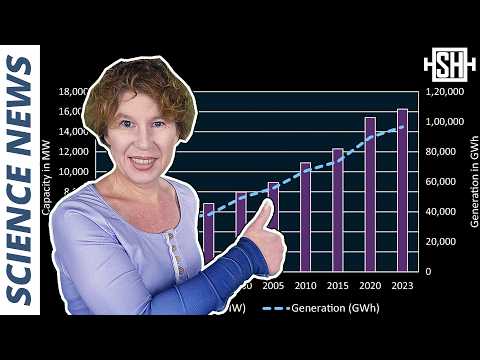
However, recent developments have changed my outlook significantly. One clear indicator of my previous pessimism is the growth in installed geothermal capacity. If drilling costs were truly prohibitive, we would expect to see stagnation in growth. This is evident in hydropower, where all the prime locations have been utilized, leading to a halt in growth. In contrast, geothermal electricity production has shown stable growth for decades.
Currently, geothermal energy contributes about half a percent to global electricity production. In 2011, the International Energy Agency optimistically projected that by 2050, geothermal could reach 3.5% of global electricity production. However, their latest report, released in December, has more than doubled that projection, suggesting that next-generation geothermal systems could provide up to 8% of the global electricity supply by 2050. This figure does not even account for the direct heat produced from geothermal sources.
This remarkable shift is largely driven by technological advancements, including the integration of artificial intelligence (AI). Yes, AI is playing a crucial role in the future of geothermal energy. A prime example is the American company Zanskar, founded in 2022 by two geoscientists who met during an expedition in India’s Zanskar region. They are employing a scientific approach to identify geothermal sites, which can often be found in unexpected locations. By collecting data from various sources such as seismographs, acoustic imaging, and gas sensors, they utilize a specially developed AI to analyze this data. This approach has the potential to reduce drilling costs by up to 66%, although its effectiveness remains to be seen.
Despite being a new player in the field, Zanskar has already identified more potential geothermal sites in the United States than the entire industry has over the past decade and has raised over 40 million dollars in funding. AI is not the only innovation in geothermal energy; there are three major trends in power plant construction that are also contributing to this growth:
These advancements collectively expand the number of potential geothermal sites significantly. In the past year, numerous startups focusing on these technologies have emerged, attracting substantial funding, which indicates a more optimistic outlook for the industry.
The company Fervo, which specializes in enhanced geothermal systems, reports promising progress and has recently raised an additional 225 million dollars. Scientific studies further bolster this optimism. A recent paper demonstrated that it is possible to fracture hot rocks to increase their permeability up to ten times that of cooler rocks. This means that water injected into these fractures can become supercritical, allowing it to carry up to ten times more energy and vastly improving the efficiency of geothermal sites.
Enhanced supercritical reservoirs could revolutionize geothermal energy, akin to how quantum gravity is viewed in theoretical physics. If successfully harnessed, this could lead to significant advancements in energy production.
The road to hell may be paved with good intentions, but perhaps the road from hell is paved with geothermal power plants. The advancements in geothermal energy are promising, and the future looks bright for this renewable energy source.
In addition to this exciting news about geothermal energy, I want to share a successful initiative by Planet Wild, a community-funded nature protection group. They have been actively working to restore ecosystems and have recently focused on saving lions in Kenya, where their population has drastically declined due to conflicts with farmers. By helping farmers install bright flashing lights to deter lions, Planet Wild is making a significant impact in a cost-effective manner.
If you’re interested in supporting such initiatives, consider contributing to Planet Wild, where your support goes directly to meaningful projects. Thank you for reading, and stay tuned for more updates on renewable energy and conservation efforts.



















