
Enbridge's Line 5 oil pipeline poses a significant risk to the Great Lakes, threatening water quality and local ecosystems. Activists and community leaders are mobilizing to shut it down, emphasizing the importance of public involvement and creative activism in this fight.
In a recent livestream event hosted by the Sierra Club as part of Earth Week, activists gathered to discuss the ongoing campaign to shut down Enbridge's Line 5 oil pipeline. This pipeline, which runs from Superior, Wisconsin to Sarnia, Canada, poses a significant threat to the Great Lakes, which hold 84% of North America's surface freshwater. The event featured speakers from various communities affected by the pipeline, highlighting the urgent need for action to protect these vital water resources.
Line 5 is an aging oil pipeline that has been in operation for over 70 years. Much of the oil transported through it is sourced from the carbon-intensive Alberta tar sands. The pipeline crosses sensitive areas, including the Bad River Reservation and the Straits of Mackinac, where it splits into two lines at a location deemed the worst possible for a potential disaster. An oil spill in this area could contaminate up to 700 miles of shoreline and disrupt the drinking water supply for millions.
The pipeline has a troubling history, with over 30 oil spills reported since 1968. Notably, a significant spill in Michigan's Kalamazoo River contaminated 35 miles of waterway. Despite these incidents, Enbridge continues to operate the pipeline, claiming it is safe. However, community leaders and environmental activists argue that the risks are too great, especially given the pipeline's age and the potential for catastrophic spills.
Joe Bates, a tribal elder from the Bad River Band, shared his community's concerns about the pipeline's proximity to their water sources. The pipeline, originally installed in 1953, now runs dangerously close to the riverbank, threatening to rupture and contaminate local waterways. Bates emphasized the importance of protecting their treaty rights and the ancestral lands that have sustained their people for generations.
Anne Wwoody, a leader with the Sierra Club, discussed the Straits of Mackinac, where the pipeline crosses under the Great Lakes. This area is characterized by strong currents, making it particularly vulnerable to oil spills. Wwoody highlighted the legal battles ongoing in Michigan, where state officials are working to enforce provisions that could lead to the pipeline's shutdown.
Activism against Line 5 is not limited to legal battles; it also involves creative expressions of resistance. Whitney Terrell, an artist and organizer, spoke about the intersection of art and activism. She emphasized how public art can engage communities and raise awareness about environmental issues. Terrell's work includes murals that reflect the struggles for environmental justice and the importance of protecting water resources.
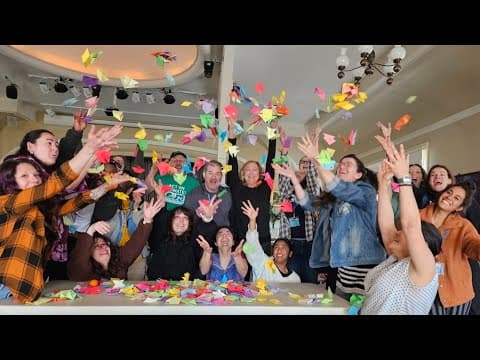
One of the initiatives discussed during the livestream was the "Fish for the Future" campaign, which aims to set a world record for the largest collection of origami fish. This campaign serves as a fun and engaging way to raise awareness about the threats posed by Line 5 while fostering community involvement. Participants are encouraged to fold and decorate fish, which will be sent to decision-makers as a visual representation of the collective demand for action.
Activists are calling on individuals from all over the country to participate in the fight against Line 5. Here are some ways you can help:
The fight against Enbridge's Line 5 pipeline is a critical issue that affects not only the Great Lakes but also the communities that rely on these waters for their survival. As activists continue to mobilize and raise awareness, it is essential for individuals to join the movement and advocate for the protection of our environment. Together, we can work towards a sustainable future that prioritizes the health of our ecosystems and the rights of indigenous communities.



















