
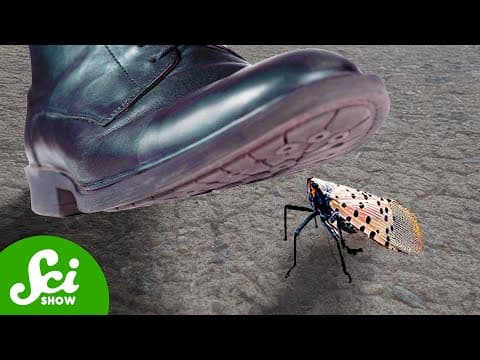
Spotted lanternflies, an invasive species from Asia, pose a significant threat to the environment and agriculture in the U.S. Their rapid spread and feeding habits can damage crops and ecosystems, making it crucial for individuals to take action against them by reporting sightings and removing their eggs.
You might have heard about a particularly dangerous insect in the news over the last few years. The name makes them almost sound charming: spotted lanternflies. They have yellow bumblebee-like stripes on their bodies and red hindwings with black spots, making them visually appealing. However, when they are outside of their native range, spotted lanternflies are anything but charming. They are yet another invasive species that could cause significant harm to the environment and our food supply if they continue to spread.
Spotted lanternflies, scientifically known as Lycorma delicatula, are originally from China, Japan, and Vietnam. They have started to expand outside of their native range, reaching places like South Korea and the United States. They first arrived in the U.S. around 2012, likely in a shipment of cut stone. In just over a decade, they have spread to at least 14 states.
The spotted lanternfly's preferred food source is the Tree of Heaven, an invasive species in the U.S. that causes significant problems for local ecosystems. This tree can produce over 300,000 seeds a year, allowing it to dominate and crowd out native plants. While one might think that having an insect that feeds on this invasive tree would be beneficial, the reality is that the Tree of Heaven facilitates the spread of spotted lanternflies.
Spotted lanternflies typically begin their life cycle on the Tree of Heaven, laying eggs in the fall, with adults dying in the winter and eggs hatching in the spring. However, unlike some other insects that rely on specific host plants, spotted lanternflies can feed on a variety of plants, making them highly adaptable. They can even lay eggs on non-plant surfaces, such as cut stones and manufactured items like campers and outdoor furniture.
These insects are phloem feeders, meaning they consume sap from plants, which is essentially the plant's blood. This feeding process damages the host plant, making it vulnerable to infections. Additionally, their waste, known as honeydew, is high in sugar and encourages the growth of mold, which can be detrimental to crops.
Spotted lanternflies target essential food crops such as corn, grapes, and soybeans, as well as trees used for timber. Corn and soybeans are two of the largest crops in the United States, and their vulnerability to these pests poses a significant threat to food supply chains. In Pennsylvania alone, experts estimate that spotted lanternflies could cost the agriculture and logging industries around $500 million annually.
Controlling the spread of spotted lanternflies is challenging, but there is still hope. There is a crucial time of year when these insects are particularly vulnerable. Since adults die out in the winter, there are months when no new eggs are being laid, and the existing eggs are susceptible to removal. Manual egg removal is one strategy, although it can be likened to playing whack-a-mole.
Researchers are exploring various methods to combat the spread of spotted lanternflies. One promising approach involves training scent hounds to detect the eggs, allowing humans to remove them effectively. Additionally, individuals can be trained to identify the eggs, which are typically found on the Tree of Heaven and resemble dull, brown mud smears.
If you spot a lanternfly, it is crucial to report it to the U.S. Department of Agriculture’s Animal and Plant Health Inspection Service or your local invasive species council. Once identified, agencies can implement eradication methods such as pesticides and sticky traps, although these methods carry the risk of harming beneficial native insects.
Other researchers are developing biopesticides specifically targeting spotted lanternflies or looking to recruit natural enemies, such as fungi that can colonize the insects. As with other invasive species, especially in the early stages of their spread, diligence is key.
Spotted lanternflies are just the latest in a long line of problematic invasive species. Understanding their impact and taking action is crucial, as we still have the opportunity to control their spread. If you encounter these troublesome insects, now you know what to do: STOMP them and report your findings to the appropriate authorities. By doing so, you can help protect our environment and food supply from this invasive threat.



















