
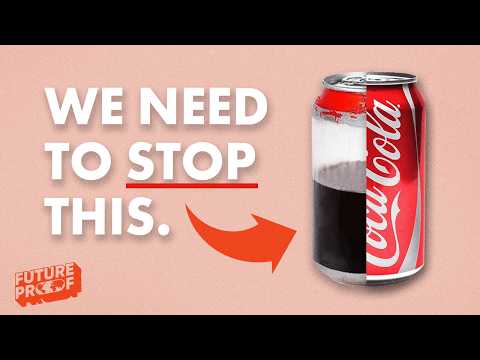
Aluminum cans are marketed as a sustainable alternative to plastic, but the reality is more complex. While they are recyclable and convenient, their production is energy-intensive, and they still contain plastic linings. The shift to aluminum may not be the silver bullet for environmental issues that many brands claim it to be.
The sound of a can being opened triggers something in our brain, evoking feelings of refreshment and enjoyment. Over the years, aluminum cans have evolved from simple vessels for beverages to symbols of progressive business practices and brands' commitments to environmental sustainability. However, the truth about these cans is more complicated than the marketing suggests.
Aluminum cans have been around since the 1960s, but they have recently gained popularity as a sustainable alternative to plastic. Brands are now promoting aluminum as the hero we need to combat the plastic crisis. For instance, Jason Momoa, known for his role as Aquaman, launched a canned water company called Mananalu in 2019, aiming to reduce plastic waste. Similarly, Jaden Smith founded Just Water, inspired by his experience with plastic pollution while surfing.
These celebrity-backed initiatives have contributed to the perception that aluminum cans are a solution to environmental issues. However, this narrative overlooks some critical facts about aluminum production and recycling.
While aluminum cans are often touted as infinitely recyclable, the reality is that they are not as eco-friendly as they seem. The production of aluminum cans generates approximately twice as much carbon emissions as producing plastic bottles. This is due to the energy-intensive processes involved in mining and refining aluminum.
In North America, beverage cans contain an average of 68% recycled aluminum. Although there have been attempts to create cans made from 100% recycled aluminum, such as the Evercan introduced by Nollis in 2013, these efforts have not gained traction in the beverage industry. Major companies have little incentive to innovate when the public already perceives aluminum cans as environmentally friendly.
Another surprising fact is that aluminum cans are not entirely plastic-free. Inside every aluminum drink container is a thin layer of plastic that prevents the beverage from coming into contact with the aluminum. While some manufacturers use BPA-free liners, concerns about health implications remain. Coca-Cola, for instance, maintains that BPA has been safely used for over 50 years, but this does not eliminate the complexity of the issue.
Switching to aluminum cans poses economic challenges as well. The raw material cost for aluminum cans is 25% to 30% higher than that of plastic bottles. A broad shift to aluminum would likely increase prices for consumers. Furthermore, there is not enough aluminum production capacity to meet the demand if all beverages were to switch from plastic to aluminum.
The Ball Corporation, a major can manufacturer, has stated that even a 1% shift from bottled products to cans would require an additional 24 billion cans, significantly increasing aluminum demand.
Despite the high recycling rates of aluminum, it is estimated that only about 65% of the 80 billion aluminum beverage cans consumed annually are recycled. This means that approximately 30 billion cans end up in landfills each year. While recycling aluminum is more energy-efficient than producing new aluminum, the reality is that relying solely on aluminum cans will not solve our environmental problems.
The narrative that aluminum cans are the solution to plastic waste oversimplifies a complex issue. While choosing a can over a plastic bottle is a better option, the best solution remains using reusable containers whenever possible. Additionally, the commodification of water raises ethical questions about the sustainability of bottling and selling a basic human right.
In conclusion, while aluminum cans may offer some advantages over plastic, they are not a panacea for environmental issues. The complexities surrounding their production, recycling, and the presence of plastic linings highlight the need for a more nuanced understanding of sustainability in consumer products. If brands truly wanted to contribute to environmental conservation, they would encourage consumers to utilize tap water instead of selling bottled alternatives.
Thank you for reading. Stay informed and make conscious choices about the products you consume.



















