
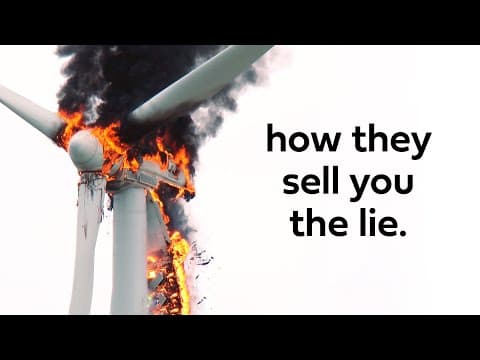
This blog post explores the concept of net zero, addressing misconceptions and the political motivations behind skepticism. It outlines the necessary investments, the cost of inaction, and the influence of fossil fuel industries on public perception and policy.
Net zero. A term that has become a buzzword in discussions about climate change and environmental policy. But what does it really mean, and why are so many people skeptical about it? In this blog post, we will delve into the concept of net zero, the political landscape surrounding it, and the misinformation that clouds public understanding.
Net zero refers to the balance between the amount of greenhouse gas emissions produced and the amount removed from the atmosphere. It does not imply that we stop emitting carbon entirely; rather, it means reducing emissions as much as possible and offsetting any remaining emissions through natural processes, such as reforestation, or technological solutions like carbon capture and storage.
Achieving net zero requires a comprehensive overhaul of our energy systems. This includes:
The transition is not without challenges, particularly in sectors like aviation, where alternatives to fossil fuels are still being developed. However, the investment required to reach net zero is staggering. The United Nations Environment Program estimates that approximately $9.1 trillion per year will be needed globally until 2035.
In the UK, the political response to net zero has been mixed. While the Labour government is committed to its net zero mission, the Conservative Party is increasingly distancing itself from these commitments. The Reform UK party is even campaigning against net zero, raising questions about the feasibility of such ambitious targets amid rising living costs and energy bills.
Critics argue that the UK, contributing less than 1% of global carbon emissions, should not bear the financial burden of net zero. However, this perspective overlooks the broader implications of climate change. The costs of inaction, including extreme weather events and their economic impacts, could far exceed the investments required for a transition to net zero. The Office for Budget Responsibility in the UK has warned that unchecked global warming could reduce UK GDP by 8% by the latter half of the century.
There is a systematic approach used by skeptics to undermine the net zero agenda. This playbook consists of five key strategies:
The skepticism surrounding net zero is not merely a matter of public opinion; it is deeply intertwined with the interests of the fossil fuel industry. Politicians often align their rhetoric with the interests of these industries, which view net zero as a threat to their business models. This relationship creates a feedback loop where media narratives, political policies, and public perceptions are shaped by financial incentives from fossil fuel companies.
The media plays a crucial role in shaping public discourse on climate issues. Politicians, influenced by media narratives, propose policies that align with public sentiment, which is often swayed by the interests of powerful industries. In the UK, significant donations from fossil fuel companies to political parties have been documented, raising concerns about the integrity of climate policy.
The conversation around net zero is fraught with misinformation and political maneuvering. It is essential to engage in fact-based discussions about the costs and benefits of transitioning to a sustainable future. The stakes are high, and the consequences of inaction are dire. As we navigate this complex landscape, it is crucial to recognize the motivations behind the narratives we encounter and to advocate for a future that prioritizes environmental sustainability and public health over short-term profits.
In summary, the path to net zero is not only a necessary step in combating climate change but also an opportunity for economic growth and improved public health. By addressing the myths and misconceptions surrounding net zero, we can foster a more informed and constructive dialogue about our collective future.



















