
The world faces a plastic pollution crisis, with production doubling and only 9% of waste recycled. A UN treaty aims to address this, but negotiations are hindered by industry opposition and procedural issues. The upcoming Geneva meeting is crucial for reaching an agreement on production cuts and waste management strategies.
Three years ago, UN member states initiated the creation of the world's first legally binding international treaty on plastic pollution. This ambitious endeavor has seen nations convene in five major meetings, striving to draft a landmark treaty. However, progress has been stymied by disagreements and opposition from a coalition of prochemical states and industry representatives. As delegates gather in Geneva for what may be a final push towards concluding the treaty, it is essential to understand the significance of this initiative and the challenges that lie ahead.
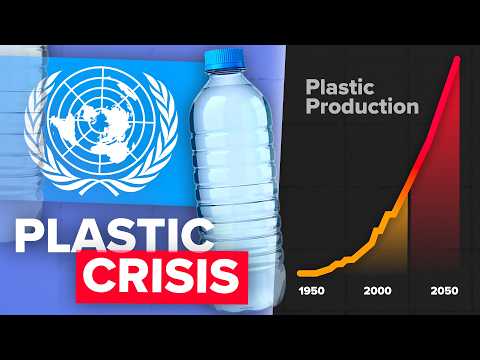
The plastic pollution crisis is a pressing global issue. From the turn of the century to 2019, global plastic production doubled, reaching 460 million tons annually. Projections indicate that this figure could double or even triple by 2050. The implications of this growth are dire. According to the OECD, in 2019, over 350 million tons of plastic waste were generated globally, with only 9% recycled. Nearly half of this waste ended up in landfills, while 20% was incinerated. Alarmingly, 22% escaped the waste management system entirely, polluting terrestrial and aquatic environments, particularly in developing nations.
The environmental impact of plastic production is compounded by its reliance on fossil fuels, which accounted for 5.3% of global greenhouse gas emissions in 2019. This not only drives oil demand but also exacerbates global warming. Furthermore, microplastics have infiltrated every corner of the planet, from Antarctic sea ice to human blood, raising significant health concerns.
Recognizing the urgent need for action, the United Nations Environment Assembly passed resolution 514 in 2022, which initiated the process of creating a legally binding treaty on plastic pollution, particularly in marine environments. However, the journey towards this treaty has been fraught with challenges. The last major negotiation session, known as INC 5.1, held in Busan, South Korea, failed to produce a conclusive agreement, resulting in a 22-page document filled with unresolved issues.
In response to the lack of consensus, another negotiation round, dubbed INC 5.2, is taking place in Geneva. Given the constraints on the UN's budget, this may be the last opportunity to finalize a treaty.
One of the most contentious issues in the treaty discussions is whether to cap and reduce plastic production or focus solely on waste management strategies like recycling. A significant number of countries, approximately 100, support a draft text that includes legally binding global reductions in plastic production and the phasing out of certain chemicals and single-use plastic products. This position was reaffirmed by many nations at the UN Ocean Conference in France in June.
Conversely, a smaller group of countries, including Saudi Arabia, Russia, and Iran, known as the like-minded countries, vehemently oppose production cuts and bans on specific chemicals. This resistance is not surprising, as the petrochemical industry is poised to become a major driver of oil demand growth as the world transitions away from fossil fuels for energy and transportation.
The argument that the plastics crisis can be adequately addressed through waste management alone is increasingly untenable. While recycling is important, projections indicate a potential tripling of global plastic production over the next 25 years. Scientists have warned that the detrimental effects of plastic pollution—ranging from greenhouse gas emissions to health hazards—cannot be mitigated through waste management improvements alone.
A significant obstacle to progress in the treaty negotiations has been the influence of industry lobbyists. The prochemical block, which includes various states and the fossil fuel and chemical industries, has actively sought to narrow the treaty's scope, excluding production cuts and bans on harmful chemicals. At the last session, INC 5.1, industry lobbyists outnumbered delegations from the European Union and its member states combined, highlighting the growing presence of corporate interests in these discussions.
The Center for International Environmental Law (CIEL) reported that the influence of fossil fuel and chemical industry lobbyists has increased with each negotiation round. Notably, 220 industry lobbyists were present at INC 5.1, with some even embedded within national delegations from countries like China, Iran, and Kazakhstan.
Beyond the content of the treaty, procedural issues have also significantly hindered negotiations. The current decision-making process relies on consensus, meaning that any objection from a negotiating party can stall progress. This has resulted in a draft text filled with unresolved segments, indicated by brackets. While the draft rules of procedure allow for qualified majority voting when consensus fails, like-minded countries argue that this rule was never officially adopted, perpetuating the consensus model.
The outcome of the Geneva session will depend on how state parties navigate these procedural challenges. Will they continue to pursue consensus, potentially leading to a diluted treaty? Or will the more ambitious nations push for majority voting to secure an agreement that includes production cuts and restrictions on harmful chemicals, despite opposition?
As the Geneva negotiations unfold, it is clear that courageous action is needed from ambitious nations to defend a treaty capable of effectively addressing the plastic crisis. These discussions represent a critical juncture not only for environmental and climate action but also for the future of multilateralism.
The stakes are high, and the outcome of these negotiations could set a precedent for international cooperation in tackling global challenges. The world is watching as nations grapple with the complexities of plastic pollution and the urgent need for a comprehensive treaty that prioritizes both environmental health and human safety.



















