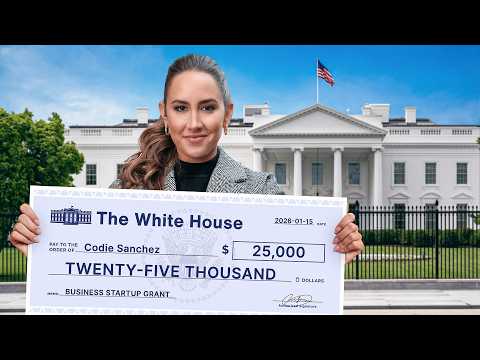
The U.S. government is providing billions in loans, grants, tax credits, and training programs to support small businesses in 2026. Many of these funds go unused due to lack of awareness. Entrepreneurs can leverage state and federal incentives, tax strategies like QSBS and S corp elections, and low-interest loans to grow and sustain their businesses. Education and mentorship are key to unlocking these opportunities.
Small businesses are the backbone of the U.S. economy, yet many entrepreneurs are unaware of the vast financial resources available to them through government programs. In 2026, the U.S. government is literally paying people to start and grow businesses, offering billions in loans, grants, tax credits, and training programs. However, more than 30% of these funds went unused last year, highlighting a significant opportunity for savvy business owners.
Despite common complaints about government bureaucracy, there are numerous programs designed to help small businesses thrive. These include:
Economic development agencies across all states actively seek to attract and support businesses. Whether in a red or blue state, incentives are available to encourage job creation and business expansion.
Each state offers unique incentives such as tax credits, wage reimbursements, and training grants. Here are some examples:
You typically need to apply before hiring or expanding and submit basic payroll or expense documentation. Consult your accountant to ensure eligibility.
The Small Business Administration (SBA) offers loans that can replace private investment, allowing entrepreneurs to retain full ownership. For example, some businesses have secured SBA loans instead of private investments, enabling them to maintain 100% ownership while accessing capital.
Low-interest SBA loans and state-run programs offer better rates than credit cards or traditional bank loans, making them ideal for equipment purchases, facilities, or business acquisitions.
Entrepreneurs often pay excessive taxes due to improper business structures. Here are some key strategies:
QSBS allows investors in small C corporations to exclude up to 100% of capital gains if they hold shares for at least five years. This can result in millions of dollars in tax-free gains, encouraging investment in small businesses.
Switching from an LLC to an S corporation can reduce self-employment taxes. For example, a founder earning $500,000 can pay themselves a reasonable salary subject to payroll taxes and take the rest as distributions, which are not subject to self-employment tax, potentially saving tens of thousands annually.
Investing in business education is tax-deductible. Paying for consultants and advisors can be written off as ordinary and necessary business expenses, helping entrepreneurs grow smarter and more profitable.
Mentorship programs like the "Boardroom" offer guidance and support, helping businesses double growth and increase profit margins. These programs are valuable resources for navigating government incentives and tax strategies.
A simple way to start building a business with minimal technical skills is through newsletters. Platforms like Beehive help entrepreneurs grow audiences and monetize content through advertising. This approach has helped many, including notable investors like Warren Buffett, who began with investor letters.
The U.S. government provides extensive financial support to small businesses through loans, grants, tax credits, and training programs. Entrepreneurs who understand and utilize these resources can significantly reduce startup risks, increase profitability, and retain more earnings.
Success in business is not just about making money but also about keeping it. Proper business structuring, tax planning, and leveraging government incentives are essential strategies for long-term growth.
If you are building a real business, creating jobs, and adding value, the government wants to help you. Don't let billions in unused funds slip away. Take action, seek mentorship, and use these programs to make 2026 your most profitable year yet.