
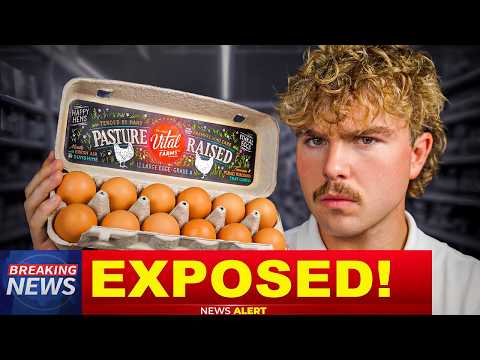
Vital Farms, once celebrated for its pasture-raised, premium eggs, faces scrutiny after studies revealed their eggs contain high levels of omega-6 fatty acids due to corn and soy feed. This raises questions about the true nutritional value behind the premium price. The issue reflects broader industry practices where marketing often overshadows actual product quality.
Vital Farms eggs have long been marketed as the best eggs available, touted for their pasture-raised hens, natural diets, and superior nutritional content. Consumers have been willing to pay premium prices for these eggs, believing they are getting a product that is ethically produced and nutritionally superior. However, recent revelations have cast doubt on these claims, sparking widespread discussion and concern.
In 2007, Matt O'Hare founded Vital Farms on a modest 27-acre farm near Austin, Texas, starting with just 20 Rhode Island red hens. His mission was clear: to raise hens the right way—allowing them to roam freely on pastures, feeding them a natural diet, and producing nutrient-dense eggs. O'Hare aimed to demonstrate that ethical and profitable farming could coexist, building the company on the philosophy of conscious capitalism, which prioritizes doing right by all stakeholders, not just profit.
Vital Farms quickly grew, partnering with small family farms nationwide and securing shelf space in major retailers like Whole Foods, Kroger, and Target. Their branding, featuring phrases like "tended by hand" and "made with fresh air and sunshine," resonated with consumers, who were willing to pay $7 to $10 or more per carton. For years, Vital Farms was considered the gold standard for pasture-raised eggs.
In July 2020, Vital Farms went public on the NASDAQ, raising approximately $125 million. This transition from a small mission-driven company to a publicly traded corporation introduced new pressures. Now, the company had to answer not only to customers and farmers but also to large institutional investors such as BlackRock, Vanguard, Wellington Management, and Amazon.
These investors hold significant stakes in the agriculture industry, and their priorities often emphasize profitability and scalability. This shift raised questions about whether Vital Farms could maintain its original mission under these new pressures.
About a year ago, Nourish Food Club, in collaboration with Michigan State University, conducted a fatty acid analysis on various egg brands, including Vital Farms' organic pasture-raised eggs. Although the study was conducted over a year ago, it recently went viral on social media platforms like Instagram.
The study found that Vital Farms eggs contain approximately 26% linoleic acid, an omega-6 polyunsaturated fatty acid. For context, canola oil—a common seed oil—contains about 19% linoleic acid. This means that two Vital Farms eggs have roughly the same amount of omega-6 fatty acids as a tablespoon of canola oil.
Excessive omega-6 intake is linked to increased inflammation, which is associated with numerous health issues. The high linoleic acid content in Vital Farms eggs is attributed to the hens' diet, which primarily consists of corn and soybean meal.
Chickens are monogastric animals with a simple stomach, meaning their diet directly influences the composition of their eggs. Unlike ruminants such as cows, chickens cannot break down certain feed components effectively. Feeding hens corn and soy, which are not part of their natural diet, leads to the accumulation of omega-6 fatty acids in the egg yolks.
Corn and soy are among the cheapest and most heavily subsidized crops in the United States and are commonly used in factory-farmed egg production. This raises concerns about the nutritional distinction between Vital Farms eggs and conventional eggs if the feed is essentially the same.
Despite the similar feed, Vital Farms eggs have a distinctive deep orange yolk, often associated with higher nutritional value. This coloration is achieved by adding paprika and marigold to the hens' feed, which serve as natural colorants.
While a darker yolk can indicate a hen's access to pasture and natural foraging, in this case, it primarily enhances the egg's visual appeal. This marketing strategy can mislead consumers into believing the eggs are more nutritious than they actually are.
Vital Farms claims that their hens have access to at least 108 square feet per bird, which is significantly more space than caged or cage-free operations. However, there are complexities:
True pasture-based operations often use mobile coops and rotate flocks daily to fresh ground, producing eggs with genuinely different nutritional profiles. However, such systems are more expensive and challenging to scale.
Vital Farms has responded by stating they have never hidden the fact that their hens are fed corn and soy, information available on their FAQ page. While technically true, this raises questions about transparency. The company's packaging and marketing paint a picture of hens roaming freely on lush pastures, which may not fully reflect reality.
When the viral Instagram post about the fatty acid study emerged, Vital Farms dismissed it as "recirculating the same misinformation," a surprising stance for a brand built on transparency.
This issue is not unique to Vital Farms. Many premium egg brands, including Happy Egg Co, Nelly's, Pete and Jerry's, and various store brands, use similar corn and soy-based feeds. The term "pasture-raised" lacks strict regulation, often requiring only an affidavit of outdoor access without rigorous inspections or enforcement.
Consequently, many premium eggs come from hens fed diets similar to those of conventional eggs, with the primary difference being better living conditions rather than superior nutrition.
It's important to note that even corn and soy-fed pasture-raised eggs are nutritious, providing protein, cholesterol, choline, B vitamins, and fat-soluble vitamins. However, the premium price paid by consumers often reflects marketing rather than significant nutritional differences.
Find Local Farmers: Seek out local farmers who offer soy-free, corn-free, pasture-raised eggs. These eggs typically have a better fatty acid profile, lower omega-6 content, and higher omega-3s and micronutrients.
Look for Corn and Soy-Free Labels: Eggs labeled as corn and soy-free are more likely to have a meaningful nutritional advantage.
Don't Stress Over Availability: If only standard grocery store eggs are accessible, rest assured they are still a nutritious choice.
Be Informed: Read labels carefully and research company practices. Packaging is designed to market a feeling, not necessarily to convey the full truth.
The Vital Farms scandal highlights the need for consumers to critically evaluate food labels and marketing claims. While Vital Farms is not inherently deceptive, the gap between marketing and reality underscores a broader industry issue.
Consumers should prioritize transparency and seek out truly pasture-raised, corn and soy-free eggs when possible. Ultimately, being informed empowers better choices and supports farming practices that align with both ethical and nutritional values.
Remember, the front of packaging is for marketing; the back and company disclosures hold the key information. Stay vigilant and make choices that best suit your health and values.



















