
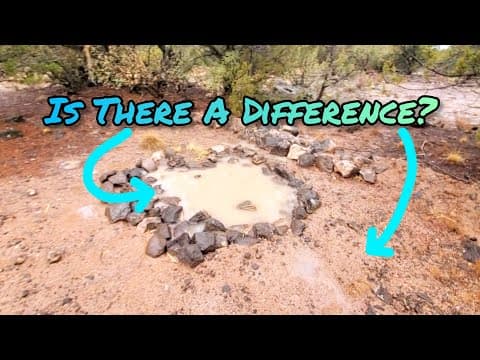
This blog post explores the journey of a greening project in northern Arizona, focusing on rainwater harvesting and permaculture techniques. It details the challenges faced, the strategies implemented, and the positive transformations observed in the landscape over a year and a half. The author shares insights on soil regeneration, vegetation growth, and the importance of a slow, methodical approach to land management.
In the heart of northern Arizona, a remarkable transformation is underway as part of the Greening the Desert project. Over the past year and eight months, the project has focused on implementing rainwater harvesting techniques and soil regenerative practices to improve a degraded landscape. This blog post delves into the journey of this project, the challenges faced, and the successes achieved, offering insights that can inspire similar endeavors in other landscapes.
When the project began, the landscape presented numerous challenges. The area had experienced significant degradation due to various factors, including intense weather patterns, wildlife activity, and a history of fire. Observations revealed that the southern portion of the landscape had been affected by a fire approximately fifty years ago, evidenced by the presence of burnt trees alongside new growth. This complex history necessitated a thoughtful approach to restoration.
To address the challenges, the project team adopted permaculture principles, focusing on water access and structural design. One of the key structures developed is the Gabon Walapini, a four-season double greenhouse that serves as a central hub for the project. The team has designed a variety of earthworks aimed at stopping, slowing, and soaking rainwater into the landscape. Although the project is ongoing, the team has made significant strides in creating microclimates and diverse growing conditions for various vegetation types.
The project has embraced a slow and deliberate approach to land management. With only two people working on the project, time, energy, and financial resources are limited. This method allows for a diverse range of activities, preventing burnout and maximizing efficiency. The team has observed that this slower pace contributes to the development of a more regenerative and sustainable ecosystem.
Over the past year and a half, the landscape has undergone a noticeable transformation. The team has witnessed the regrowth of vegetation in areas that were previously barren, as well as the emergence of new plant life in spots where nothing was growing before. This positive change is attributed to the careful implementation of earthworks and the rotational grazing of goats, which help build soil health through the addition of mulch and cover crops.
Weather patterns have played a crucial role in the project's success. The team experienced a series of snowstorms followed by rain, which significantly contributed to soil moisture levels. Observations showed that moisture was retained in the ditches of swales, with mulch helping to keep the soil moist underneath. This retention of moisture is vital for the growth of vegetation and the overall health of the landscape.
The Zouri waffle garden has also shown promising results. After recent snow and rain, the waffle pockets have retained moisture, supporting the growth of cover crops. The team has adopted a strategy of building garden beds incrementally, allowing for manageable progress and maintaining enthusiasm for the project.
Interestingly, the team has noted an increase in weed growth compared to the previous year, which is a positive sign of ecological recovery. The presence of diverse plant life indicates that the soil is becoming healthier and more capable of supporting a variety of species. This observation will be crucial for future assessments of the project's impact on the landscape.
Looking ahead, the team aims to cover more of the eight-acre landscape with additional earthworks and rainwater harvesting features. The goal is to maximize rainwater catchment, promote further vegetation growth, and ultimately reduce feed costs for livestock. The project is designed to be regenerative and sustainable, with a focus on creating a thriving ecosystem.
The Greening the Desert project exemplifies the power of rainwater harvesting and permaculture practices in transforming a degraded landscape. Through careful observation, methodical implementation, and a commitment to sustainability, the team has made significant progress in restoring the land. As they continue their journey, the lessons learned can serve as a guide for others looking to undertake similar projects in challenging environments. The ongoing transformation is not just about improving the landscape; it is about fostering a deeper connection with nature and promoting ecological health for future generations.



















