
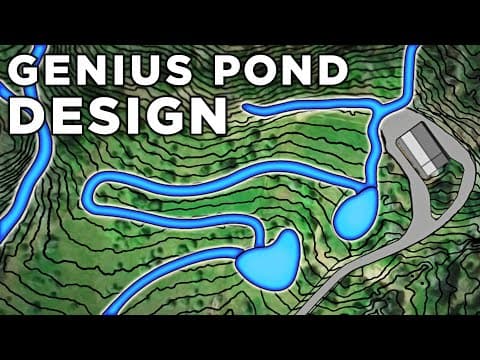
This blog post explores the innovative water harvesting techniques used at Tavia Rosa Farms to transform a degraded landscape into a thriving ecosystem. By implementing seven unique methods, the farm has restored its water cycle, improved soil health, and inspired neighboring farms to join in the movement. Discover how these techniques work together to create a sustainable and productive agricultural system.
Tavia Rosa Farms has become a beacon of innovation in water management, showcasing how effective water harvesting techniques can restore degraded landscapes. Just a few years ago, this land faced severe water shortages, leading to poor soil health and diminished productivity. However, through a complex system of ponds and water management strategies, the farm has transformed into a lush, productive ecosystem. In this blog post, we will explore the seven key water harvesting techniques employed at Tavia Rosa Farms that have revitalized the land and inspired a watershed-wide movement.
Brenda, the owner of Tavia Rosa Farms, faced significant challenges when she first attempted to establish her farm. Despite living in a valley with seasonal streams and a creek, she struggled to find groundwater. After drilling multiple wells, she discovered that the land was not retaining water effectively due to degraded soils and a lack of vegetation. This realization prompted her to research water resiliency and collaborate with experts like Zach Weiss from Elemental Ecosystems and Water Stories.
The first water harvesting technique is the sediment trap pond, strategically located at the top of the landscape. This pond captures sediment and prevents soil erosion caused by stormwater runoff from the hillside. By acting as a shock absorber, it protects the rest of the water system from clogging with sediment and nutrients, ensuring that the water can flow freely through the landscape.
The second technique is the wildlife refuge pond, which serves as an ecological oasis for various species, including deer and predators like cougars. This pond not only supports biodiversity but also reduces conflicts between wildlife and livestock by providing a safe habitat for animals. By maintaining a healthy ecosystem, the farm enhances its agricultural productivity.
Infiltration ponds are the third technique used to collect rainwater in strategic locations throughout the landscape. These ponds help keep the soil hydrated year-round, acting like a drip irrigation system. They create microhabitats for wildlife and ensure that water is absorbed into the soil, recharging the subsurface water table.
The fourth technique involves creating water harvesting pathways. Unlike traditional roads that cause water runoff, these pathways are designed to capture rainwater and direct it toward the ponds. This inslope terrace captures water from the hillside, ensuring that it is utilized effectively rather than wasted.
The zigzag terrace system is the fifth technique and is considered one of the most innovative aspects of the farm's water management design. This system allows water to flow laterally across the landscape, maximizing the surface area in contact with the soil. This unique approach enhances water absorption and ensures that the entire landscape benefits from the water flow.
The sixth technique is the pasture pond, which supports a regenerative grazing system. Water is collected and stored in unlined ponds, allowing a portion to percolate into the soil and recharge the shallow water table. This increased moisture level promotes the growth of grasses and pasture plants, providing food for livestock while enhancing soil health.
The final technique is rotational animal grazing. This method involves dividing pastures into sections, allowing animals to graze while fertilizing the soil. After grazing, the land is given a resting period to recover. This approach mimics natural grazing patterns and increases grass growth, contributing to soil organic matter. For every 1% increase in organic matter, the soil can store an additional 25,000 gallons of water per acre, significantly enhancing the land's water retention capacity.
Brenda's success at Tavia Rosa Farms has not only transformed her land but has also inspired neighboring farms to adopt similar water harvesting techniques. By collaborating with her neighbors, they have created a watershed-wide movement focused on restoring the landscape. This cooperation allows for shared water flow and enhances the overall effectiveness of their water management systems.
The innovative water harvesting techniques employed at Tavia Rosa Farms demonstrate the power of effective water management in restoring degraded landscapes. By implementing these seven techniques, Brenda and her team have created a thriving ecosystem that benefits both the land and the community. This approach not only addresses immediate water challenges but also ensures the sustainability of agricultural practices for generations to come. As more farmers adopt similar methods, the potential for widespread ecological restoration and improved water cycles becomes increasingly attainable.



















