
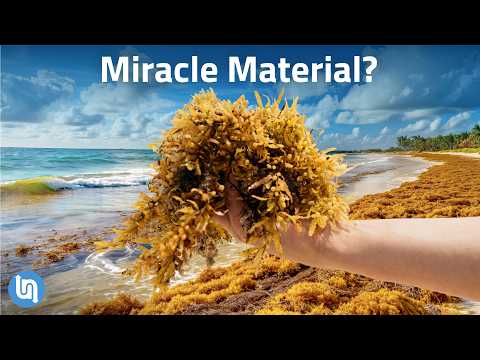
The Caribbean faces a crisis with sargassum seaweed invading beaches, harming tourism and ecosystems. However, innovative startups are turning this challenge into opportunities, creating sustainable products like bricks, biogas, and biodegradable materials. This blog explores how entrepreneurs are harnessing sargassum to benefit local economies and the environment.
Caribbean beaches are currently facing a significant environmental challenge as they become inundated with slimy, smelly sargassum seaweed. This invasive species is not only affecting the natural beauty of the region but also poses a serious threat to local economies that rely heavily on tourism. However, amidst this crisis, innovative solutions are emerging that could turn this seaweed disaster into a valuable resource.
Since 2011, hundreds of millions of tons of sargassum have washed up on Caribbean and Mexican beaches. In May 2025 alone, 38 million tons were reported, with more expected throughout the summer. The impact on local communities has been severe, with hotel occupancy rates dropping by 10% due to the unpleasant smell and appearance of rotting seaweed. The situation has become so dire that the US Virgin Islands declared a state of emergency in 2022 when sargassum blocked the water intake for a desalination plant.
Sargassum is a type of seaweed characterized by its buoyant structure, which allows it to float on the ocean's surface. Unlike other seaweeds, it does not anchor to the seafloor and can reproduce by breaking into pieces, leading to rapid blooms. Historically, sargassum was contained within the Sargasso Sea, but a weather event in 2010 pushed it into the Atlantic Ocean, resulting in annual invasions of Caribbean shores.
Rather than viewing sargassum solely as a nuisance, some entrepreneurs are exploring its potential as a raw material. Here are some innovative ways that startups are transforming this seaweed into sustainable products:
In Mexico's Yucatán, Omar Vázquez has pioneered a method to create durable bricks from sargassum, incorporating about 40% seaweed into each brick. These bricks have proven to withstand harsh weather conditions, including hurricanes, and can lock away significant amounts of sargassum, providing a cost-effective building material.
On the island of Grenada, Benjamin Nestorovic founded SarGas, which utilizes sargassum to produce biogas. By feeding sargassum into a biodigester along with food waste and pig manure, the company captures methane gas, which is then used to power local businesses, such as a bakery. This approach not only reduces waste but also contributes to energy independence for small islands.
Another innovative project, Rum and Sargassum, emerged from the University of the West Indies in Barbados. This initiative ferments sargassum using wastewater from rum distilleries to produce biogas that can fuel vehicles. The goal is to create a sustainable energy source for local transportation, reducing reliance on imported fuels.
Beyond energy production, sargassum can be refined to extract high-value materials. Companies like Origin by Ocean are extracting alginate and fucoidan from sargassum, which are used in cosmetics and food products. These materials are significantly more valuable than biogas, showcasing the economic potential of sargassum.
Entrepreneur Johanan Dujon from St. Lucia has founded Alt-Fibr, which extracts natural fibers from sargassum and agricultural waste to create sustainable packaging and textiles. This innovation not only diverts waste from landfills but also offers an eco-friendly alternative to traditional materials. Other companies, such as Keel Labs, are also exploring the use of seaweed-based fibers in fashion and home goods.
The potential applications of sargassum are vast. Companies like Soarce are developing high-performance nanocellulose from sargassum, which can be used in various industries, including automotive and aerospace. This lightweight material is stronger than steel for its weight, making it an attractive alternative for manufacturers.
To further explore the possibilities of sargassum, significant funding has been allocated for research. Schmidt Sciences and the Foundation for Food & Agriculture Research have pledged up to $47 million to support studies on sargassum's compounds and their potential uses. Researchers are investigating ways to produce hydrogen fuel and extract valuable metals from sargassum, which could revolutionize energy and materials science.
The annual blooms of sargassum washing ashore in the Caribbean may present a disaster, but they also offer a unique opportunity for innovation and sustainability. By transforming this invasive seaweed into valuable products, entrepreneurs are not only addressing an environmental crisis but also paving the way for a more sustainable future. As these initiatives continue to develop, the Caribbean could turn its sargassum problem into a thriving industry, benefiting both local economies and the environment.



















