
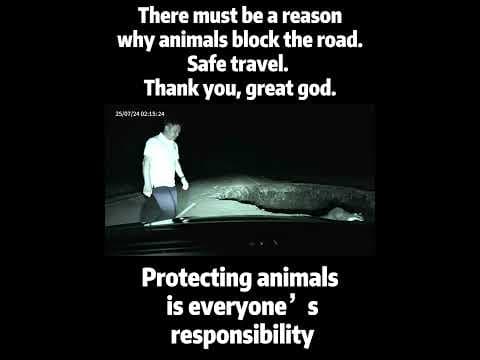
This blog post explores the reasons behind animals blocking roads, the implications for drivers, and safety tips for navigating these situations. It emphasizes the importance of understanding animal behavior and respecting wildlife to ensure safe travel for both humans and animals.
Animals blocking roads is a common sight that can lead to dangerous situations for both wildlife and drivers. Understanding the reasons behind this behavior can help us navigate these encounters safely and responsibly.
Animals often block roads due to their natural instincts. Many species are territorial and may feel threatened by vehicles, prompting them to stand their ground. Additionally, animals may be searching for food or mates, leading them to venture onto roads where they encounter vehicles.
Urbanization and habitat destruction have forced many animals to adapt to new environments. As their natural habitats shrink, animals are increasingly seen on roads, searching for food or safe passage. This disruption can lead to more frequent roadblocks as animals navigate their altered landscapes.
Some animals, particularly herd animals, may block roads as part of their social behavior. When one animal crosses a road, others may follow, leading to larger groups obstructing traffic. This behavior is often seen in species like deer, which travel in groups and may hesitate to cross busy roads.
When animals block roads, they pose significant safety risks to drivers. Sudden encounters with wildlife can lead to accidents, injuries, or fatalities. It is crucial for drivers to remain vigilant and prepared for unexpected animal crossings, especially in areas known for wildlife activity.
In some regions, hitting an animal can lead to legal repercussions. Drivers may be held liable for damages or injuries caused by collisions with wildlife. Understanding local laws regarding wildlife and road safety can help drivers navigate these situations more effectively.
Always be on the lookout for wildlife, especially in areas where animals are known to cross roads. Reducing speed and staying attentive can help prevent accidents.
If you encounter an animal blocking the road, slow down and assess the situation. Do not honk your horn or make sudden movements, as this may startle the animal and cause it to react unpredictably.
Many regions have specific guidelines for wildlife crossings. Familiarize yourself with these regulations and adhere to any posted signs indicating animal crossings.
If you encounter an injured animal or a significant roadblock, report it to local wildlife authorities. They can provide assistance and help ensure the safety of both the animal and drivers.
Understanding why animals block roads is essential for ensuring safe travel for both humans and wildlife. By respecting animal behavior and following safety guidelines, we can navigate these encounters more effectively and contribute to the protection of our natural environment. Remember, a little caution can go a long way in preventing accidents and preserving wildlife.



















