
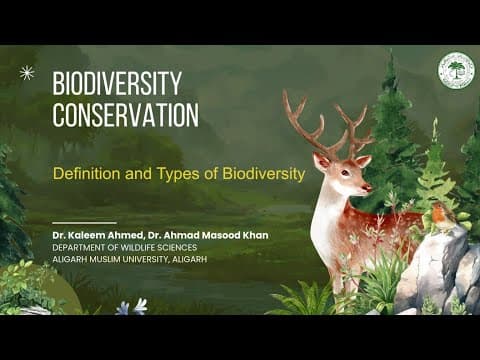
This blog post explores the definition and types of biodiversity, emphasizing its importance for ecological balance and human well-being. It discusses genetic, species, and ecosystem diversity, the threats they face, and the urgent need for conservation efforts.
Biodiversity, a term derived from biological diversity, encompasses the vast tapestry of life that thrives on our planet. It includes the incredible variety of species, ecosystems, and genetic diversity present in diverse landscapes, ranging from microscopic organisms to majestic trees, and from intricate marine ecosystems to sprawling terrestrial habitats. Understanding biodiversity is vital as it unveils the intricate web of relationships and interdependencies that govern life on Earth.
Biodiversity refers to the diverse and intricate array of life forms present on Earth, including bacteria, plants, insects, and mammals. This spectrum of living organisms is fundamental to maintaining the delicate balance of our planet's ecosystems, playing a critical role in sustaining the equilibrium of the natural world and contributing significantly to the well-being of human societies.
Biodiversity can be classified into three primary types:
Genetic diversity denotes the assortment of genes within species and populations. It serves as a bedrock for species diversity and facilitates organisms' adaptation to shifting environmental circumstances, which is vital for the enduring survival of species. The dynamics of genetic diversity within populations are influenced by factors such as mutation, gene flow, and genetic drift, shaping the makeup of species over time.
Species diversity underscores the variety of species within a specific geographic area or ecosystem. It reflects the complex interplay of ecological factors and evolutionary processes contributing to the resilience and stability of ecosystems. Understanding and conserving species diversity is paramount for maintaining the intricate web of life on Earth and ensuring the continued functioning of ecosystems.
Ecosystem diversity encompasses the range of ecosystems present on the planet, each harboring unique combinations of species and habitats. This diversity sustains vital ecosystem services and underscores the interconnectedness of life forms across different environments. Healthy ecosystems provide essential services such as pollination, nutrient cycling, and climate regulation.
Biodiversity plays a pivotal role in supporting various economic sectors, including agriculture, pharmaceuticals, ecotourism, and biotechnology. The economic value of biodiversity is amplified by the contribution of diverse ecosystems to the development of medicines derived from natural resources such as plants, animals, and microorganisms. Additionally, biodiverse landscapes attract tourists, providing recreational opportunities and generating substantial revenue and employment for local communities.
Beyond economic implications, biodiversity holds profound cultural and aesthetic value across societies globally. Indigenous cultures, in particular, establish deep spiritual and cultural connections to the natural world, drawing on traditional knowledge systems developed through centuries of interaction with local ecosystems and species.
Despite its importance, biodiversity faces significant threats due to human activities. Habitat degradation, the introduction of invasive species, and the over-exploitation of resources pose substantial challenges to the preservation of species diversity worldwide. Habitat loss and fragmentation, driven by agriculture, urbanization, and infrastructure development, are among the leading causes of biodiversity decline.
Climate change also presents a significant threat to biodiversity, altering temperature and precipitation patterns, sea levels, and the frequency and intensity of extreme weather events. Many species are already experiencing shifts in their geographic ranges, changes in phenology, and loss of suitable habitats due to climate change, increasing their risk of extinction.
Conserving biodiversity requires coordinated efforts at local, national, and global levels, involving governments, communities, businesses, and civil society organizations. Key strategies for biodiversity conservation include:
Biodiversity serves as a fundamental pillar for life on Earth, delivering crucial ecosystem services, fostering human well-being, and contributing to cultural and economic richness. However, the ongoing loss of biodiversity presents formidable challenges to ecosystem stability and the overall health of our planet. To effectively address this global challenge, it is imperative to comprehend the diverse types of biodiversity, the factors influencing its dynamics, and the paramount importance of conservation efforts in safeguarding our ecological balance. Collective action is essential to protect and cherish our planet for current and future generations.



















