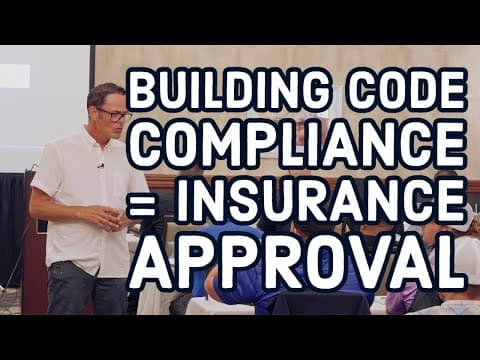
This article explores the importance of building codes in the insurance adjustment process, detailing how to effectively utilize these codes to ensure compliance and maximize claims. It emphasizes the significance of understanding specific codes, the role of the International Code Council, and strategies for dealing with insurance adjusters.
In the world of construction and insurance claims, understanding building codes is crucial for contractors and homeowners alike. This article aims to simplify the complexities of building codes and how they can be leveraged to navigate insurance adjustments effectively.
Building codes are legal requirements that dictate how buildings must be constructed and maintained. They ensure safety, health, and general welfare in the built environment. When dealing with insurance claims, particularly after damage from events like storms or fires, these codes become essential in determining what repairs are necessary and what costs are covered.
While there are numerous codes, three primary codes are most relevant for contractors:
Understanding these codes helps contractors provide accurate estimates and ensures compliance with legal requirements.
When filing an insurance claim, it is vital to avoid terms that may lead to denial of coverage. For instance, using the term "rot" can be detrimental, as many policies do not cover rot. Instead, it is more effective to refer to damage as "water damage" or "deterioration due to moisture."
Many contractors and adjusters may not fully understand the nuances of building codes. For example, if a contractor discovers rotted decking, they should frame it as water-damaged decking rather than simply rot. This distinction can significantly impact the claim's outcome.
The International Code Council (ICC) is the primary body responsible for developing building codes. They publish various codes that are adopted by local jurisdictions. It is essential for contractors to know which version of the codes their city or county has adopted, as this will dictate compliance requirements.
When dealing with insurance adjusters, clear communication is key. Here are some strategies:
A common challenge arises when adjusters claim that certain codes are not enforced in a given area. In such cases, it is essential to verify this information:
Understanding and utilizing building codes is a powerful strategy for contractors navigating the insurance adjustment process. By focusing on the relevant codes, communicating effectively with adjusters, and ensuring compliance with local regulations, contractors can maximize their claims and ensure that necessary repairs are covered. Building codes are not just legal requirements; they are essential tools for protecting both the contractor's and homeowner's interests in the face of insurance claims.