
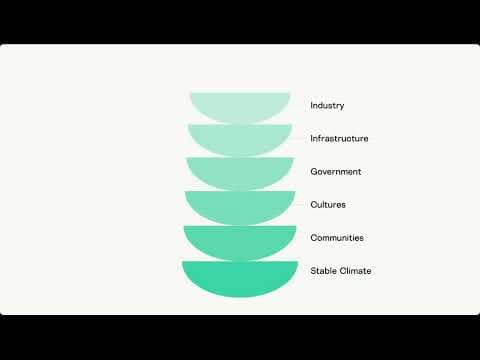
In her masterclass, Alison Smart emphasizes the importance of climate literacy as a 21st-century skill. She discusses the historical context of climate stability, the impacts of climate change, and the need for adaptation and mitigation strategies. Smart advocates for community engagement and education to prepare for the changing climate, highlighting the interconnectedness of global systems and the necessity for local solutions.
In a recent masterclass, Alison Smart, the Executive Director of Probable Futures, shared her insights on climate literacy and its critical role in the 21st century. With a background in the arts and extensive experience in climate communication, Smart has dedicated her career to helping people understand climate change and its implications. This blog post summarizes her key points, emphasizing the need for climate literacy, adaptation strategies, and community engagement.
Smart argues that climate literacy is as essential as digital and financial literacy in today’s world. She believes that understanding climate change is crucial for individuals to navigate the complexities of modern life and participate effectively in the global economy.
To understand the urgency of climate literacy, Smart takes us back to the dawn of civilization, around 12,000 years ago. During this period, humans transitioned from a nomadic lifestyle to settled communities, which laid the foundation for modern civilization. This shift was made possible by a stable climate, which allowed for agriculture and the development of infrastructure.
Smart presents a graph illustrating the global temperature history over the past 12,000 years, showing a remarkably stable climate that supported human civilization. However, she warns that we are now breaking out of this stability, leading to unprecedented challenges.
Smart emphasizes that climate change is not just about rising temperatures; it is about instability. As the climate continues to change, the systems we have built—ranging from infrastructure to cultural practices—are becoming increasingly vulnerable.
Smart outlines two critical strategies for addressing climate change: mitigation and adaptation.
She stresses that these strategies are interconnected; effective adaptation can facilitate mitigation efforts, and vice versa.
One of the key aspects of climate change that Smart highlights is the relationship between heat, humidity, and human physiology. She explains that as temperatures rise, the ability of the human body to cool itself diminishes, particularly in high humidity conditions.
Smart introduces the concept of wet bulb temperature, which combines heat and humidity to assess human survivability. She illustrates how increasing temperatures and humidity levels can lead to dangerous conditions for human health, emphasizing the need for awareness and preparedness.
Throughout her presentation, Smart utilizes maps to illustrate the impacts of climate change across different regions. These maps help visualize how climate change manifests locally, providing a clearer understanding of the risks and necessary adaptations.
Smart discusses the likelihood of drought and changes in precipitation patterns, emphasizing that these shifts will vary by location. She encourages communities to use climate data to plan for future conditions, highlighting the importance of local knowledge and adaptation strategies.
Smart advocates for empowering communities with climate literacy tools. She believes that education is crucial for fostering resilience and enabling individuals to make informed decisions about their environment.
Adaptation strategies must be tailored to local contexts. Smart shares examples of successful community initiatives, such as France's response to heatwaves, which included early warning systems and public awareness campaigns. These low-cost, community-oriented solutions can significantly enhance resilience.
Alison Smart's masterclass underscores the urgent need for climate literacy as we navigate the complexities of a changing climate. By understanding the historical context, recognizing the interconnectedness of global systems, and engaging in local solutions, we can better prepare for the challenges ahead. Smart's insights remind us that while the climate may be changing, our ability to adapt and thrive depends on our collective knowledge and action.



















