
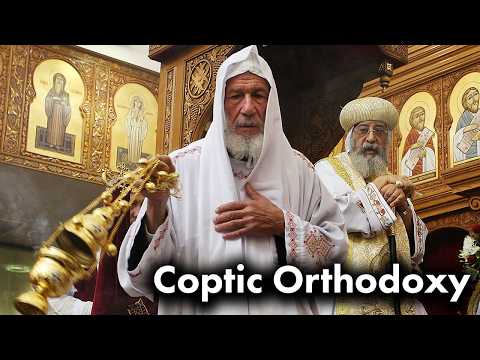
Coptic Christianity, the largest Christian community in the Middle East, has a rich history dating back to the 1st century CE. This blog post explores the origins, theological distinctions, cultural practices, and contemporary challenges faced by Coptic Christians in Egypt and the diaspora, highlighting their unique identity shaped by centuries of perseverance and faith.
Coptic Christianity is a significant yet often overlooked branch of Christianity, primarily found in Egypt. This blog post delves into the history, beliefs, and cultural practices of Coptic Christians, shedding light on their unique identity and the challenges they face today.
The Coptic Orthodox Church, the oldest and largest branch of Christianity in Egypt, traces its roots back to the 1st century CE. It is home to the largest Christian community in the Middle East, comprising approximately 10% of Egypt's population. The term "Coptic" derives from the ancient Greek word "agyptios," meaning Egyptian, and refers to Egyptian Christians and their traditions, including the Coptic language, which is the final stage of the ancient Egyptian language.
Christianity is believed to have arrived in Egypt through Mark the Evangelist, who began preaching in Alexandria around the mid-1st century. Although some historians are skeptical about the exact origins, it is widely accepted that Christianity took root in Egypt early on, likely through the large Jewish community in Alexandria. By the late 2nd century, Egypt had become a center of Christian intellectual life, producing notable theologians like Clement of Alexandria and Origen.
Egypt is recognized as the birthplace of Christian monasticism, with figures like Anthony the Great inspiring many to retreat into the desert for lives of prayer and solitude. This monastic tradition has profoundly influenced Coptic Christian identity and culture. Monks and nuns are highly regarded, and their teachings continue to shape the spiritual lives of Copts today.
Coptic Christianity diverged from other Christian traditions primarily due to its rejection of the Council of Chalcedon in 451 CE, which defined the nature of Christ. Copts adhere to miaphysitism, the belief that Christ has one united nature that is both divine and human, a stance that has shaped their identity and theology.
Coptic Christians share core beliefs with other Christian denominations, including:
Coptic identity is deeply intertwined with cultural practices, including the use of the Coptic language in liturgy, the celebration of saints, and the observance of a unique liturgical calendar. Copts often tattoo a small cross on their wrists as a visible mark of faith, a practice that has historical roots and symbolizes belonging.
Coptic, derived from ancient Egyptian, was once the everyday language of Christians in Egypt. Although it has largely faded from daily use, it remains vital for liturgical purposes and is a key element of Coptic heritage.
Coptic Christians have faced significant challenges throughout history, including periods of persecution and marginalization. The rise of Islam in the 7th century marked a turning point, leading to social and economic pressures that incentivized conversion. Despite these challenges, Copts have maintained their identity and continue to assert their place in Egypt's national narrative.
In recent years, the Coptic community has experienced renewed violence, particularly from extremist groups. Events such as the 2010 Nag Hammadi massacre and the 2017 attack on pilgrims have reinforced the Coptic identity as one rooted in martyrdom and resilience.
A significant number of Copts have migrated abroad, particularly to the United States, Canada, and Australia, forming vibrant diaspora communities. These communities face the challenge of preserving their cultural and religious identity in a new context, often adapting to different languages and cultural expectations.
Coptic Christianity represents a rich tapestry of history, belief, and cultural identity. As Copts navigate the complexities of modern life, both in Egypt and abroad, their commitment to their faith and heritage remains a powerful testament to their enduring legacy. The Coptic Church continues to play a vital role in the lives of its followers, fostering a sense of community and belonging amid ongoing challenges.



















