
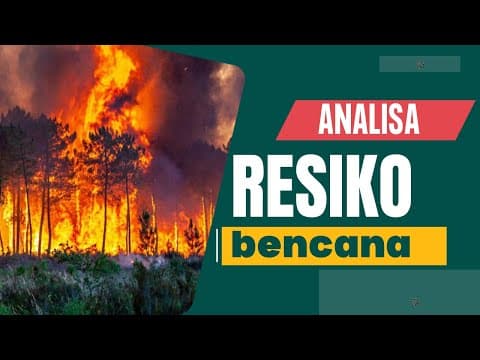
This blog post explores the various types of disasters in Indonesia, including natural, non-natural, and social disasters. It discusses the importance of disaster risk analysis, the factors influencing disaster risks, and the roles of communities and healthcare professionals in disaster management and recovery.
Indonesia is a country that is highly susceptible to disasters, as evidenced by numerous events that have occurred over the years. Many individuals have experienced disasters firsthand, such as the earthquake in Yogyakarta in 2006. This blog post aims to provide an analysis of disaster risks in Indonesia, discussing the types of disasters, their impacts, and the importance of risk management.
A disaster is defined as a serious disruption to the functioning of a community or society, causing significant losses in terms of material, economic, environmental, and the community's ability to utilize its resources. Disasters can have far-reaching effects, impacting not only the economy but also the environment and the psychological well-being of individuals.
Disasters in Indonesia can be categorized into three main types:
Natural Disasters
Natural disasters are events caused by natural phenomena. Examples include earthquakes, tsunamis, volcanic eruptions, floods, droughts, and landslides. These events can lead to significant loss of life and property, as well as environmental degradation.
Non-Natural Disasters
Non-natural disasters are caused by human actions or failures. This category includes technological failures, modernization failures, and epidemics. A recent example is the COVID-19 pandemic, which had profound effects on health and the economy.
Social Disasters
Social disasters arise from human conflicts or actions, such as social unrest, violence, and terrorism. Incidents like student brawls or community conflicts fall under this category, highlighting the human element in disaster scenarios.
The primary goals of analyzing disaster risks include:
Disaster risks are influenced by three main factors:
Hazard
Hazards are events that can disrupt life and cause harm. They can stem from natural phenomena (like earthquakes) or human actions (like conflicts). Understanding the nature of hazards is crucial for effective risk management.
Vulnerability
Vulnerability refers to the conditions that reduce a community's ability to prepare for, respond to, and recover from disasters. Communities that lack resources or preparedness are more vulnerable to the impacts of disasters.
Capacity
Capacity is the strength and resources available to individuals and communities to prevent, mitigate, and recover from disasters. A community with strong capacity can respond effectively to disasters and recover quickly.
The disaster cycle consists of three phases:
Pre-Disaster Phase
This phase involves preparedness and mitigation efforts to reduce risks before a disaster occurs.
Disaster Phase
During this phase, immediate response efforts are initiated to address the impacts of the disaster.
Post-Disaster Phase
This phase focuses on recovery and rebuilding efforts, ensuring that communities can return to normalcy and improve their resilience against future disasters.
Healthcare professionals play a vital role in disaster risk management. Their responsibilities include:
Understanding disaster risks and the various types of disasters that can occur in Indonesia is crucial for effective management and recovery. By analyzing risks, communities can better prepare for and respond to disasters, ultimately reducing their impact. The collaboration between healthcare professionals and communities is essential in ensuring that individuals receive the necessary support during and after a disaster.
This knowledge not only helps in immediate response efforts but also in building resilience for the future. If you have any questions or need further clarification on disaster risk analysis, feel free to leave a comment.



















