
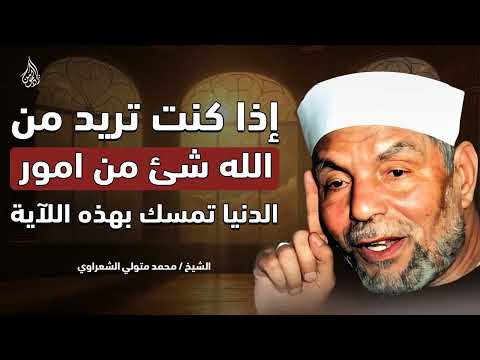
Sheikh Mohamed Metwally Al-Shaarawy discusses the concept of divine providence, emphasizing that God is the creator and sustainer of all beings, and encourages believers to actively seek God's blessings through righteous actions and understanding of divine principles.
In a profound discourse, Sheikh Mohamed Metwally Al-Shaarawy delves into the concept of divine providence, emphasizing the significance of recognizing God as the creator and sustainer of all existence. This article aims to encapsulate the key points from his teachings, shedding light on the relationship between divine providence and human actions.
Sheikh Al-Shaarawy begins by explaining the term "Rab" (Lord), which signifies not only the creator but also the one who nurtures and sustains. He highlights that God is the creator of all beings, whether they are believers or non-believers, and as such, He provides sustenance to everyone. This universal provision underscores the idea that God’s mercy and generosity extend to all of His creation.
The Sheikh points out that while God is the ultimate provider, human beings must engage with the world through their actions. He notes that success in life often comes from understanding and utilizing the natural laws and causes that God has established. For instance, those who cultivate the earth and tend to their crops with care will reap the rewards of their labor.
This leads to a critical observation: some may question why non-believers seem to prosper in worldly matters. Al-Shaarawy asserts that this is because they are also recipients of God's providence, having engaged with the causes that lead to success. He encourages believers not to be passive observers but to actively pursue the blessings of divine providence through righteous actions.
Al-Shaarawy makes a clear distinction between the concepts of divine providence and worship. While God is the Lord of all, He is only considered a deity by those who choose to worship Him. This distinction is crucial as it highlights that while everyone benefits from God's providence, true worship and obedience are reserved for those who acknowledge Him as their God.
The Sheikh emphasizes that those who seek the rewards of the hereafter must prioritize their actions accordingly. He states that while one can attain worldly success, neglecting the spiritual aspect will result in a lack of rewards in the afterlife. He encourages believers to balance their pursuit of worldly gains with their spiritual obligations, ensuring that their actions align with divine guidance.
In discussing the creation of the heavens and the earth, Al-Shaarawy refers to the Quranic narrative that describes God creating the universe in six days. He elaborates on the significance of this timeframe, explaining that the term "day" can have different meanings depending on the context. He highlights that God's creation is beyond human comprehension, and the six days mentioned in the Quran serve as a framework for understanding divine timing.
The Sheikh further explains the concept of God’s sovereignty, particularly His "Istawa" (establishment) on the throne. This term, he clarifies, signifies God's control and authority over all creation. He emphasizes that understanding God's attributes requires recognizing that they are not comparable to human attributes. For instance, when we speak of God's knowledge or power, it must be understood in a way that befits His divine nature.
In conclusion, Sheikh Mohamed Metwally Al-Shaarawy’s teachings provide a comprehensive understanding of divine providence and the responsibilities of believers. He encourages individuals to actively engage with the world, seek God's blessings through righteous actions, and maintain a balance between their worldly pursuits and spiritual obligations. By doing so, believers can truly appreciate the depth of God's mercy and the significance of their relationship with Him.



















