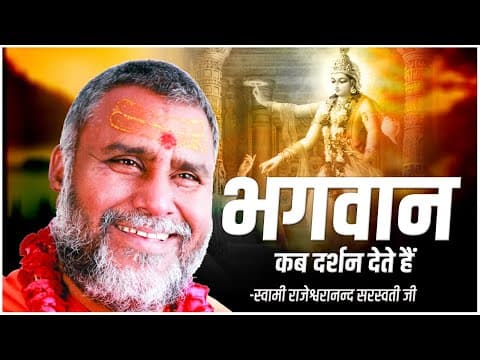
Swami Rajeshwaranand Saraswati Maharaj discusses the nature of divine vision, the paradox of perceiving the formless God, and the significance of devotion in experiencing the divine presence.
In a profound discourse, Swami Rajeshwaranand Saraswati Maharaj explores the concept of divine vision and the nature of God as perceived in various philosophical and spiritual traditions. This discussion delves into the complexities of understanding a formless and attribute-less God, as well as the role of devotion in experiencing the divine.
The Maharaj begins by addressing a common inquiry about the nature of the Supreme Being. When asked about the qualities of God, he explains that the most significant attribute is that God is beyond all attributes. He is described as infinite, eternal, and unconditioned. This leads to the question of how one can contemplate such a being, as it is challenging to think about something that is beyond all descriptions.
The Maharaj references the Vedas, which describe God using the term "Neti Neti" (not this, not that). This indicates that God cannot be confined to any specific form or quality. The Vedas articulate that God is both distant and near, transcendent yet immanent. This paradox highlights the complexity of divine perception.
The discussion transitions to the concept of "Darshan" or vision of the divine. The Maharaj explains that there are two interpretations of Darshan: one is philosophical, relating to the formless and attribute-less nature of God, while the other pertains to the physical sight of God. He emphasizes that the two interpretations are not mutually exclusive.
The Maharaj elaborates on how God, despite being formless, can manifest in a form for the sake of the devotees. He cites the example of saints and devotees who have experienced divine visions. The essence of this experience lies in the devotion of the seeker. God reveals Himself to the devotees in forms that resonate with their faith and devotion.
A significant part of the discourse involves a dialogue between Maharaj Manu and God. Manu expresses a desire for divine vision, questioning why, if God is formless and attribute-less, He cannot be seen. God responds by affirming that while He is indeed formless, He can manifest in forms that devotees can perceive. This interaction illustrates the dynamic relationship between the divine and the devotee.
God explains that although He is formless, He can take on forms based on the devotee's perception and devotion. This leads to the realization that the devotee's understanding and belief play a crucial role in experiencing the divine. The Maharaj emphasizes that the divine can take any form that the devotee can relate to, thus making the experience of God accessible.
Swami Rajeshwaranand Saraswati Maharaj's teachings provide deep insights into the nature of divine vision and the complexities of perceiving a formless God. The discourse highlights the importance of devotion and the personal relationship between the devotee and the divine. Ultimately, it is through sincere devotion that one can experience the presence of God, transcending the limitations of form and attributes. This understanding encourages seekers to cultivate their spiritual practices and deepen their connection with the divine.