
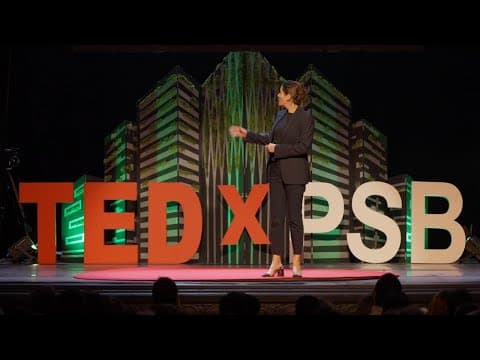
This blog post explores the misconceptions surrounding ecology, the importance of effective communication in environmental issues, and how to shift the perception of ecological initiatives from undesirable to desirable, emphasizing the role of financial incentives in driving change.
In a world increasingly aware of climate change and environmental degradation, the term "ecology" often carries a negative connotation. This blog post delves into the reasons behind this stigma, the importance of effective communication in environmental issues, and how we can shift the perception of ecological initiatives from undesirable to desirable.
Courage is defined as knowing it will hurt but going ahead anyway, while stupidity is knowing it will hurt and still proceeding. This duality has shaped the speaker's life over the past five years. At 25, a pivotal moment occurred when the speaker read a comprehensive report from hundreds of scientists across 195 countries, warning that excessive fossil fuel consumption is making the planet uninhabitable. This realization prompted a commitment to tackle the ecological crisis, despite the anticipated difficulties.
The journey was fraught with challenges, from convincing investors of a young woman's vision to navigating regulatory hurdles. However, the most difficult aspect was confronting the societal perception of ecology. When discussing ecological projects, the speaker often encountered resistance and defensiveness, as if advocating for ecological change was an insult to others' lifestyles.
A significant barrier to ecological advocacy is the ineffective communication surrounding climate change and biodiversity loss. The scientific community, while diligent in their research, often fails to convey their messages in relatable terms. For instance, warnings about a potential increase of 2°C in global temperatures may sound appealing to those unfamiliar with the implications, such as uninhabitable zones and food insecurity.
The scientific community has used terms like "CO2" and statistics about declining insect populations without considering how these concepts resonate with the general public. Many people do not connect emotionally with abstract data or distant consequences. Instead, they need to understand how these issues directly affect their lives.
To effectively engage individuals in ecological initiatives, it is crucial to understand the difference between perception and perspective. Perception is how we view the world based on our experiences, while perspective involves understanding others' viewpoints. For example, if we approach someone like Jean-Claude, who drives to the café daily, from our perspective, we might emphasize the environmental impact of his car. However, if we frame the conversation around his health and the benefits of cycling, he may be more inclined to consider change.
Money is a universal language that resonates with everyone. By presenting ecological initiatives as financially beneficial, we can engage a broader audience. For instance, if Clément has invested in a traditional insurance policy that funds fossil fuel companies, we can highlight the risks associated with these investments. By showing him that investing in sustainable technologies is not only ethical but also financially sound, we can shift his perspective.
Once we establish that ecological initiatives can provide personal benefits, we can transform the narrative from one of sacrifice to one of desirability. The desire for ecological change can become contagious, as people tend to adopt what others find appealing. The speaker cites examples from fashion and societal trends to illustrate how quickly perceptions can shift.
The journey towards ecological awareness and action is challenging but essential. By understanding the perspectives of others and communicating effectively, we can change the narrative around ecology from one of stigma to one of desire. The ecological transition can be framed as an opportunity for personal gain, aligning financial interests with environmental responsibility. If society can embrace change in fashion and ideals, it can certainly embrace a sustainable future.



















