
This blog post explores the significance of Environmental Management Standards, particularly ISO 14000, in promoting eco-friendly practices in industries. It discusses the evolution of industrial practices, the importance of waste management, and the shift towards viewing waste as residuals rather than byproducts. The post also highlights the role of technology in enhancing environmental management and the future of industries in the context of sustainability.
Environmental management is a critical aspect of modern engineering and industrial practices. As industries continue to grow, the need to protect the environment and manage resources effectively has become paramount. This blog post delves into the concept of Environmental Management Standards, particularly focusing on ISO 14000, and discusses how these standards help industries operate in an eco-friendly manner.
Environmental management involves two primary objectives: protecting the environment and managing resources efficiently. Engineers and industries are tasked with creating products while minimizing waste and utilizing resources in a sustainable manner. The term "eco-friendly" refers to practices that are not harmful to the environment, emphasizing the importance of non-toxic and waste-free production processes.
The International Organization for Standardization (ISO) has established various standards to guide industries in environmental management. The ISO 14000 family of standards is particularly relevant for organizations looking to implement effective environmental management systems. For instance, battery manufacturers like Exide must adhere to these standards to ensure their production processes are environmentally responsible.
The concept of environmental management systems was first introduced by the British Standards Institution (BSI) in 1992, leading to the publication of BS 750. This was followed by the introduction of ISO 14000 in 1993, which provided a framework for organizations to manage their environmental responsibilities. Over the years, these standards have evolved, with the latest revision being ISO 14001, which emphasizes continuous improvement in environmental performance.
The industrial landscape has undergone significant changes over the years, transitioning through various phases:
A significant aspect of environmental management is how industries handle waste. Traditionally, waste was viewed as a byproduct of production. However, modern practices encourage viewing waste as residuals that can be recycled or reused. This shift in perspective is crucial for reducing environmental impact.
Industries must treat waste before disposal to prevent pollution. For example, textile manufacturers must treat dye waste before releasing it into water bodies. The goal is to minimize harmful discharges and promote sustainable practices.
The ideal practice in modern industries involves:
This approach not only reduces waste but also promotes a circular economy where materials are continuously reused.
As industries evolve, the integration of technology in environmental management becomes increasingly important. The use of sensors and automation can enhance waste management processes, allowing for real-time monitoring and adjustments to minimize environmental impact.
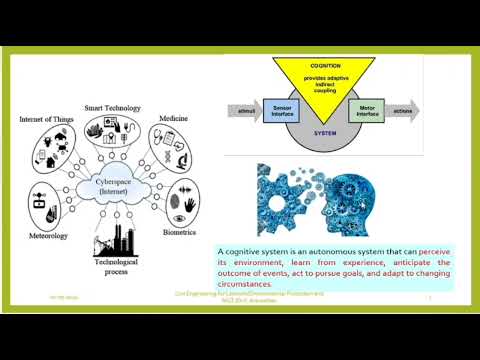
The future of industries lies in cognitive systems that can independently assess their environment and make decisions. This includes the use of artificial intelligence and robotics to optimize production processes and reduce waste.
Environmental Management Standards, particularly ISO 14000, play a vital role in guiding industries towards sustainable practices. By understanding and implementing these standards, organizations can not only comply with regulations but also contribute to the protection of the environment. As we move towards Industry 5.0, the focus on eco-friendly practices and waste management will be crucial for the sustainability of our planet.



















