
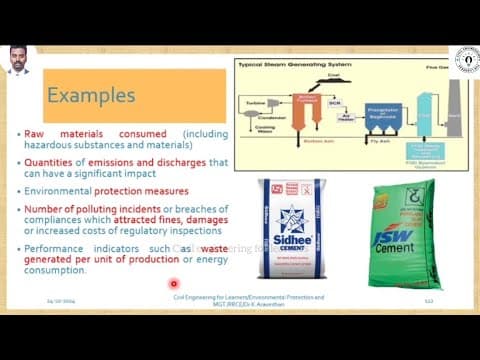
This blog post explores the concept of Environmental Performance Indicators (EPIs) in manufacturing, detailing the categories of operational and management performance indicators, their significance, and how they impact environmental sustainability.
In the realm of manufacturing, performance indicators play a crucial role in assessing the efficiency and sustainability of operations. Just as students receive grades at the end of a semester to evaluate their academic performance, industries are evaluated based on their yearly performance indicators. This blog post delves into the concept of Environmental Performance Indicators (EPIs), their categories, and their implications for environmental sustainability.
Environmental Performance Indicators are metrics used to evaluate how well an organization performs in terms of its environmental impact. These indicators help organizations understand their operational efficiency and guide them in making informed decisions to improve their environmental footprint.
EPIs can be broadly categorized into three main types:
Operational Performance Indicators focus on the inputs, processes, and outputs of manufacturing operations. They assess how resources are consumed and the waste generated during production. Key aspects include:
Management Performance Indicators relate to the policies and practices that organizations implement to manage their environmental impact. These indicators include:
Environmental Condition Indicators assess the state of the natural environment affected by an organization’s operations. They measure:
Understanding and implementing EPIs is vital for several reasons:
Environmental Performance Indicators are essential tools for manufacturing organizations aiming to improve their sustainability practices. By categorizing performance indicators into operational, management, and environmental condition indicators, organizations can gain a comprehensive understanding of their environmental impact. This understanding not only aids in regulatory compliance but also supports the broader goal of environmental sustainability, ensuring that industries can operate responsibly while meeting consumer demands.



















