
This blog post explores the essential components of an effective environmental policy for organizations, emphasizing continual improvement, legal compliance, pollution prevention, and setting objectives. It also discusses the importance of conducting an initial environmental review to establish a solid foundation for environmental management systems.
In today's world, organizations must prioritize environmental protection and management. Establishing a robust environmental policy is crucial for any successful organization. This blog post will delve into the key elements of an effective environmental policy and the significance of conducting an initial environmental review.
When setting up an environmental policy, organizations should consider the following four key elements:
The concept of continual improvement is fundamental to any environmental policy. Organizations should not only state their commitment to improvement but also implement actionable plans. For instance, companies like Asian Paints, Tech Mahindra, Apple, and Microsoft have demonstrated this commitment in their policies. They emphasize continual improvement in their operations, ensuring that their environmental impact is consistently evaluated and enhanced.
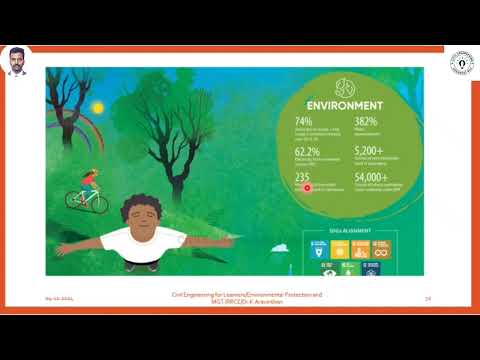
An effective environmental policy must include strategies for pollution prevention. Organizations should document their efforts to minimize emissions and waste. For example, Asian Paints has reported a 74% reduction in emission intensity since 2013, showcasing their commitment to reducing their environmental footprint.
Organizations must ensure that their environmental policies comply with local and international regulations. This includes understanding the specific laws applicable in the countries where they operate. For instance, Asian Paints must adhere to different regulations when distributing products globally, ensuring that their policies align with local environmental laws.
Setting clear objectives and targets is essential for measuring progress. Organizations should outline specific goals, such as reducing plastic usage or increasing the percentage of rainwater utilized. For example, Apple aims to increase its rainwater usage from 3% to 7% by 2025, demonstrating a commitment to sustainable practices.
Before establishing an environmental policy, organizations should conduct an initial environmental review. This review serves as the foundation for the Environmental Management System (EMS) and helps identify potential environmental issues and regulatory requirements.
The initial environmental review aims to:
To conduct an effective initial environmental review, organizations should gather data on:
Establishing an environmental policy is not just a regulatory requirement; it is a commitment to sustainable practices that can significantly impact an organization's operations and reputation. By focusing on continual improvement, pollution prevention, legal compliance, and setting clear objectives, organizations can create effective environmental policies. Additionally, conducting an initial environmental review is crucial for laying the groundwork for a successful Environmental Management System, ultimately leading to better environmental performance and sustainability.



















