
This blog post explores the combustion of fossil fuels, their role in electricity generation, and the significant environmental impacts associated with their extraction and use, including habitat destruction, air pollution, and greenhouse gas emissions.
Fossil fuels are a primary source of energy worldwide, and understanding their combustion, electricity generation, and environmental impacts is crucial for addressing current energy challenges. This post will delve into the combustion reactions of fossil fuels, the methods of electricity generation, and the environmental consequences associated with their use.
Fossil fuel combustion is a chemical reaction between hydrocarbons (molecules made of carbon and hydrogen) and oxygen. This reaction releases energy in the form of heat, which is the primary benefit of fossil fuels. However, it also produces carbon dioxide and water as byproducts. This process is a significant step in the carbon cycle, where carbon from fossil fuels combines with oxygen to form carbon dioxide, contributing to greenhouse gas emissions.
The general reaction can be summarized as follows:
This reaction occurs with various fossil fuels, including gasoline, methane, propane, and coal. Even biomass fuels, such as wood, undergo similar combustion processes, releasing energy and carbon dioxide.
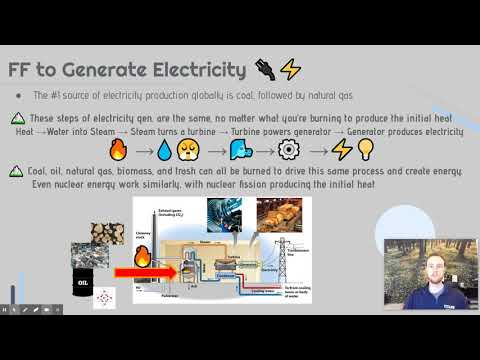
Fossil fuels are a major source of electricity generation globally, with coal being the leading source, followed closely by natural gas. The process of generating electricity from fossil fuels involves several consistent steps:
Coal is the most widely used fossil fuel for electricity generation. In a typical coal power plant, coal is crushed and burned in a boiler, producing steam that drives a turbine connected to a generator. This process is similar regardless of the fuel used, whether it be coal, oil, natural gas, or even biomass.
While fossil fuels are essential for energy production, their extraction and use have significant environmental consequences.
Hydraulic fracturing, or fracking, is a method used to extract natural gas from deep sedimentary rock. While it has increased natural gas production, it also poses environmental risks:
Fossil fuels play a critical role in energy production, but their combustion and extraction come with significant environmental costs. Understanding these processes and their impacts is essential for developing sustainable energy solutions and mitigating climate change. As we move forward, it is crucial to explore alternative energy sources and improve the efficiency of fossil fuel use to reduce their environmental footprint.



















