
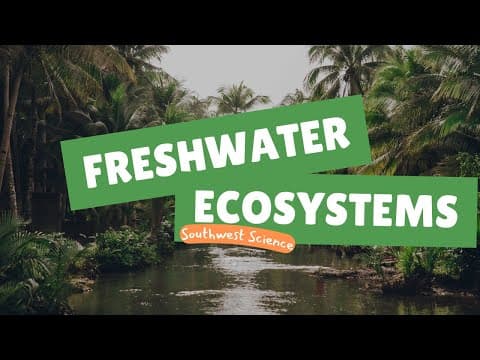
Freshwater ecosystems, comprising lakes, rivers, and wetlands, are crucial for biodiversity and human survival. Covering only 2.5% of Earth's water, these ecosystems face significant threats from pollution and development. Protecting them is essential for maintaining water quality and supporting wildlife.
Our planet is often referred to as the blue planet, with 71% of its surface covered in water. However, only 2.5% of this water is freshwater, which is vital for life on Earth. This blog post delves into the significance of freshwater ecosystems, their types, and the challenges they face.
Of the Earth's total freshwater:
This means that only 0.9% of Earth's total surface water is found in lakes, rivers, streams, and wetlands, highlighting the importance of these ecosystems despite their small size.
Lakes are significant freshwater bodies formed by various geological processes. The largest freshwater lake in the world is Lake Baikal in Siberia, which reaches a maximum depth of 1,741 meters and is home to over 3,000 endemic species.
Lakes can be categorized into several types:
Lakes are generally more permanent than ponds, which are smaller and often temporary. Despite their size, ponds play crucial roles in ecosystems, serving as nurseries for amphibians and stopovers for migratory birds.
Rivers and streams are vital components of freshwater ecosystems, each featuring diverse habitats. Key habitats within rivers include:
The Nile River, the longest river in the world, stretches 4,132 miles, showcasing the vastness and importance of river systems.
Rivers originate from headwaters, typically in mountainous regions, and flow towards their mouths, where they meet oceans, lakes, or larger rivers. This journey is crucial for nutrient transport and ecosystem health.
Wetlands encompass marshes, swamps, fens, and bogs, each with unique characteristics:
These ecosystems are essential for wildlife, providing habitats and resources while also playing a critical role in water purification and flood control.
Freshwater ecosystems are not only vital for biodiversity but also for human survival. They provide:
Despite their importance, freshwater ecosystems face numerous threats:
Freshwater ecosystems are crucial for maintaining the health of our planet and supporting life. As stewards of the Earth, it is our responsibility to protect these delicate systems. The next time you take a sip of water, remember the vital ecosystems that provide it and the importance of safeguarding our most precious resource. Keep learning and discovering the wonders of our blue planet.



















