
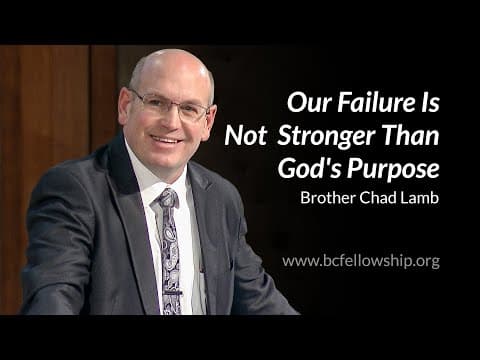
This blog post explores the theme that our failures do not hinder God's purpose for our lives. Through biblical examples and personal reflections, it emphasizes that God's love and purpose remain steadfast despite our mistakes, encouraging readers to embrace their journey with faith and resilience.
In a world where success is often celebrated and failure is stigmatized, it is essential to recognize that our failures do not define us. Instead, they can serve as stepping stones toward fulfilling God's purpose in our lives. This post delves into the profound truth that our failures are not stronger than God's purpose, drawing from biblical narratives and personal reflections.
The journey of faith is often marked by struggles and setbacks. As we navigate through life, we may find ourselves questioning our worthiness and purpose, especially when we stumble. However, it is crucial to remember that God’s love for us is unwavering, regardless of our shortcomings.
Consider the story of Moses. Born under extraordinary circumstances, he was destined to lead the Israelites out of Egypt. Yet, in his eagerness to fulfill this calling, he committed murder and fled into exile. For years, he lived in obscurity, tending sheep, seemingly far from his divine purpose.
But God had not forgotten Moses. At the appointed time, He called him from the burning bush, reminding Moses of his purpose. Despite Moses' initial reluctance and feelings of inadequacy, God assured him, "I will be with thee." This encounter illustrates that our failures do not disqualify us from God's plan; rather, they can lead us back to our true calling.
In Romans 8:35-39, Paul reassures us that nothing can separate us from the love of God. This powerful reminder serves as a foundation for our faith, especially during times of failure. Whether we face tribulation, distress, or even our shortcomings, God's love remains constant.
It is essential to acknowledge our humanity. We all make mistakes, and the Bible is filled with stories of individuals who faltered yet were used mightily by God. From Abraham's deception to Peter's denial, these biblical figures remind us that failure is part of the human experience.
Peter, one of Jesus' closest disciples, boldly declared his loyalty, only to deny Christ three times. Yet, after his failure, Jesus restored him, commissioning him to feed His sheep. This narrative emphasizes that our failures can lead to deeper understanding and greater reliance on God’s grace.
God's purpose is not thwarted by our mistakes. Instead, He uses them to shape us into vessels for His glory. As we reflect on our lives, we may see moments where God intervened, preventing us from making choices that would lead us astray. Conversely, there are times when we faced the consequences of our decisions, yet even these moments serve a greater purpose.
The life of Brother Branham serves as a poignant example. He faced numerous challenges and made mistakes throughout his ministry. Yet, despite these setbacks, God’s purpose for his life remained intact. Brother Branham often reflected on his failures, recognizing that they were part of his journey toward fulfilling God’s calling.
As we navigate our own journeys, it is vital to embrace our failures as opportunities for growth. We must remember that God’s grace holds us up, even when we stumble. The steps of a good man are ordered by the Lord, and though he may fall, he will not be utterly cast down (Psalm 37:23-24).
In conclusion, our failures do not define us; they are part of our journey toward understanding and fulfilling God's purpose. Let us embrace our humanity, learn from our mistakes, and move forward in faith, knowing that God’s love and purpose will prevail in our lives.
Let us encourage one another to rise above our failures and trust in the divine plan that God has for each of us. Remember, our failures are not stronger than God's purpose.



















