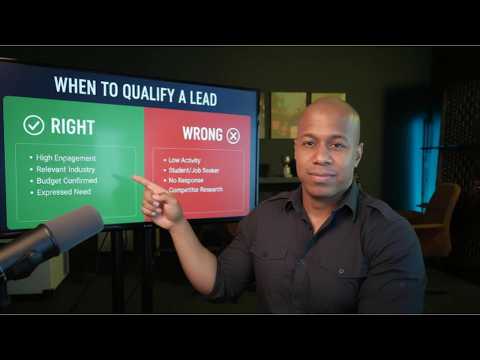
This blog post explores the evolution of lead scoring models, emphasizing the shift from static scoring to dynamic methods that incorporate engagement metrics, behavioral analysis, and lifecycle gating. It highlights the importance of understanding buyer intent and the need for tailored sales approaches to improve conversion rates and revenue growth.
In the world of customer relationship management (CRM), determining which leads are ready to buy is crucial for sales success. However, many companies mistakenly equate lead scoring with sales readiness. This blog post will delve into how leading platforms like Marketo and Salesforce assess buyer readiness and why traditional static scoring methods are becoming obsolete.
Static scoring, where points are assigned based on actions like email opens or form fills, fails to capture the true intent of a lead. For instance, a lead may open emails and fill out forms but may not be interested in the product being pitched. This disconnect often leads to wasted efforts by sales teams who reach out to leads that are not genuinely interested.
To build an effective lead scoring framework, it is essential to consider various factors:
These elements combined create a more nuanced understanding of a lead's readiness to buy.
Engagement velocity refers to how actively a lead interacts with your brand across different platforms. This includes:
By analyzing engagement velocity, businesses can gauge how "hot" or "cold" a lead is, allowing for more informed outreach.
Behavioral scoring goes beyond simple engagement metrics. It involves tracking specific actions that indicate interest, such as:
This deeper analysis helps sales teams understand which products a lead is genuinely interested in, allowing for more targeted communication.
Lifecycle gating is the process of categorizing leads based on their journey from unknown to known. This involves:
By gating leads through their lifecycle, businesses can ensure that sales teams only engage with leads who have demonstrated sufficient interest and readiness.
Implementing Salesforce handoff rules is crucial for ensuring that leads are assigned to the right sales representatives. This involves:
Sales teams should not simply rely on a round-robin method for lead assignment. Instead, they should focus on matching leads with sales representatives who have the right product knowledge and experience. This tailored approach enhances the likelihood of successful conversions.
As businesses evolve, so too must their lead scoring models. By moving away from static scoring and embracing dynamic methods that incorporate engagement metrics, behavioral analysis, and lifecycle gating, companies can significantly improve their sales readiness assessments. This not only enhances the efficiency of sales teams but also leads to more predictable revenue growth.
In summary, understanding the nuances of lead scoring and implementing a comprehensive framework can transform how businesses approach sales, ultimately leading to better outcomes for both the company and its customers.