
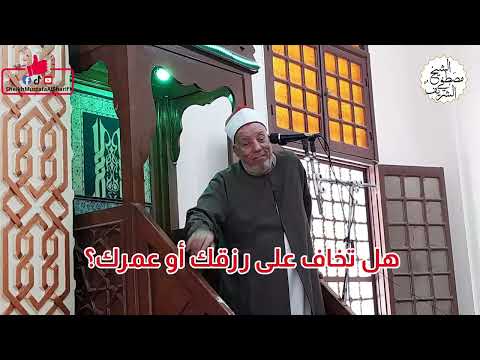
In this sermon, Sheikh Mustafa Al-Sharif emphasizes the importance of understanding God's provisions and the value of time. He discusses how life is a precious gift, urging listeners to utilize their time wisely in worship and good deeds. The sermon highlights the significance of faith, the inevitability of death, and the need for accountability in the afterlife, encouraging a life of purpose and devotion.
In a profound sermon, Sheikh Mustafa Al-Sharif addresses the congregation about the significance of life, the provisions granted by God, and the importance of utilizing time wisely. He begins by reminding the audience of God's omnipotence and the predetermined nature of sustenance and lifespan.
Sheikh Mustafa emphasizes that God is aware of all actions and has predetermined our sustenance and lifespan. He states that every morsel of food is destined for a specific mouth, and every step taken on earth is known to God. This divine knowledge should instill a sense of peace in believers, alleviating fears about their provisions and life span.
The sermon recounts a moment between Aisha, the wife of the Prophet Muhammad, and the Prophet himself. Aisha gazes at the stars and wonders if anyone has good deeds as numerous as the stars. The Prophet affirms that indeed, there are individuals with such merits, highlighting the virtues of companions like Umar ibn al-Khattab and Abu Bakr. This story serves to illustrate the vastness of God's mercy and the potential for good deeds.
Sheikh Mustafa stresses that time is the most valuable gift bestowed upon humanity. He reminds the audience that on the Day of Judgment, individuals will be questioned about how they spent their time. He cites a verse from the Quran, emphasizing that life is fleeting and should be filled with remembrance of God. The sermon urges listeners to reflect on their daily activities and ensure they are aligned with worship and good deeds.
The Sheikh elaborates on the Arabic term for "to inhabit" or "to build" (عَمَرَ), linking it to the concept of life. He explains that God created humans to inhabit the earth and to worship Him. The act of living should be seen as a form of construction, where individuals contribute positively to the world around them.
The sermon highlights that every action, no matter how small, can have significant implications. Sheikh Mustafa encourages the audience to engage in acts of kindness and charity, as these deeds will benefit them in the afterlife. He shares anecdotes of the companions of the Prophet, illustrating their dedication to service and humility.
Sheikh Mustafa reassures the congregation that they should not fear for their sustenance. He recounts how the Prophet Muhammad would acknowledge the hard work of his companions while also emphasizing that ultimate control over provisions lies with God. This assurance is meant to inspire trust in God's plan and encourage believers to focus on their spiritual growth.
As the sermon progresses, Sheikh Mustafa calls upon the audience to take action in their lives. He emphasizes the need for individuals to strive for righteousness and to be mindful of their responsibilities towards others, especially their neighbors. The importance of community and mutual support is highlighted as essential for a harmonious society.
In conclusion, Sheikh Mustafa Al-Sharif's sermon serves as a powerful reminder of the importance of understanding God's provisions and the value of time. He encourages believers to live purposefully, engage in good deeds, and maintain a strong connection with God. The message is clear: life is a precious gift, and it is our duty to make the most of it in service to God and humanity.



















