This blog post explores the relationship between macroeconomic indicators, particularly interest rates and the bond market, and their impact on currency trends. It emphasizes the importance of a macro perspective in trading, focusing on long-term trends rather than short-term fluctuations.
Welcome back to the ICT mentorship series. In this sixth of eight teachings, we delve into the transition from macroeconomic analysis to micro technical insights. This approach is crucial for understanding market movements and making informed trading decisions.
When analyzing the markets, it is essential to adopt a macro perspective. This means focusing on daily charts rather than getting caught up in the noise of 15-minute or hourly charts. The macro view allows traders to identify long-term trends and shifts in the market, which can significantly influence trading strategies.
One of the key secrets to accurately predicting market movements lies in understanding interest rates and their relationship with the bond market. Instead of relying on bank reports, which may not provide genuine insights into market intentions, I focus on the bond market, particularly the 30-year treasury bonds. This market serves as a barometer for long-term trends, providing a three to six-month outlook on currency movements.
Every three to four months, a significant shift occurs in the market. This could manifest as a reversal of the current trend or an extended period of consolidation before a resumption of the trend. Recognizing these shifts is vital for traders looking to position themselves advantageously.
To gauge interest rates, I analyze the bond market, particularly the 30-year treasury bonds and the 10-year notes. By observing price action in these markets, traders can infer whether interest rates are likely to rise or fall. For instance, if the bond market is declining, it typically indicates rising interest rates, which can lead to a stronger dollar index.
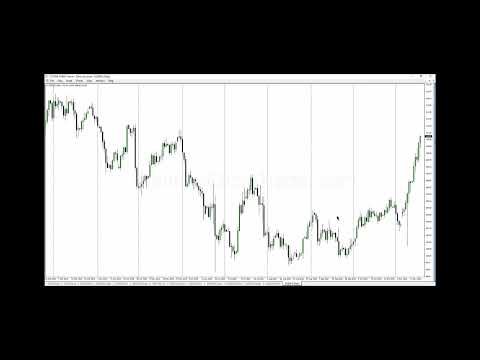
In examining the dollar index alongside the bond market, we can identify critical patterns. For example, during the summer months, a high formed in the bond market while the dollar index made a low. This divergence indicated a potential shift in market dynamics, suggesting that interest rates would rise, leading to a stronger dollar.
As interest rates increase, the dollar index tends to rise as well. This relationship is crucial for traders to understand. For instance, when the bond market rallies, it often leads to a decrease in interest rates, while a decline in the bond market signals an increase in interest rates. This interplay is fundamental in predicting currency movements.
By applying the insights gained from the bond market and interest rates, traders can make informed predictions about various currency pairs. For example, in September, as interest rates increased due to a decline in the bond market, we observed rallies in dollar-based currency pairs such as the dollar CAD and dollar Swiss. Conversely, the euro and pound showed signs of weakness during the same period.
External events, such as elections, can also influence market dynamics. For instance, the unexpected outcome of the U.S. elections led to significant fluctuations in the dollar index and the bond market. However, understanding the underlying trends allowed traders to navigate these changes effectively.
In conclusion, mastering the relationship between macroeconomic indicators, particularly interest rates and the bond market, is essential for successful trading. By focusing on these long-term trends and understanding their implications for currency movements, traders can position themselves for success in the financial markets. Remember, this knowledge is a valuable asset—keep it close and use it wisely in your trading endeavors.