
This blog post explores the key concepts of environment and pollution as discussed in Class 5 EVS Chapter 13. It covers the components of the environment, the impact of human activities on pollution, and the various types of pollution including air, water, land, and noise pollution, along with their effects and solutions.
In this blog post, we will delve into the concepts presented in Class 5 EVS Chapter 13, focusing on our environment and the pollution that affects it. This chapter serves as a crucial conclusion to our understanding of environmental science, emphasizing the importance of maintaining a balanced ecosystem.
Saalumarada Thimmakka is a prominent environmentalist in India known for her significant contributions to environmental conservation. Researching her work can provide insights into the impact one individual can have on the environment.
The environment encompasses all the surroundings of a living organism, including both living and non-living components. The living components consist of plants, animals, and humans, while non-living components include soil, air, water, and light. Additionally, human-made structures such as roads, buildings, bridges, and vehicles also form part of our environment.
The nature of the environment is determined by these components. For instance, the environment in a desert differs significantly from that in a dense forest or mountainous area.
The well-being of all living beings is dependent on the environment of their region. For example, people living in plains experience different seasonal changes compared to those in mountainous regions. It is crucial to maintain the natural environment to ensure a balanced ecosystem.
Human activities have led to the pollution of air, water, and land. This pollution has made our surroundings dirty and unhealthy. In cities like Delhi, pollution levels have reached alarming heights, prompting authorities to declare pollution holidays.
Pollutants are substances that cause pollution in the environment. They can be harmful to both living beings and the ecosystem.
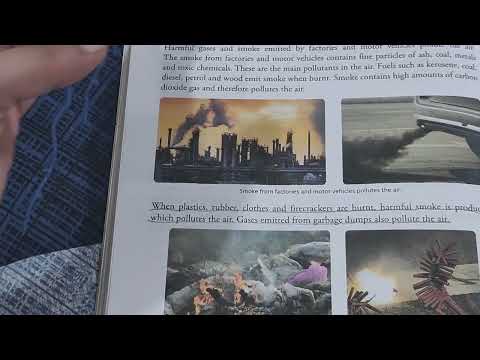
Air pollution is caused by harmful gases and smoke emitted from factories and vehicles. This pollution can lead to serious health issues, including respiratory diseases like asthma. The burning of fossil fuels releases large amounts of carbon dioxide, contributing to global warming.
Water becomes polluted when harmful substances mix with it, primarily due to chemical waste from industries, household waste, and agricultural runoff. Polluted water can carry germs that make humans sick.
Land pollution occurs when chemical waste, plastics, and other non-biodegradable materials are dumped into the soil. This type of pollution can spoil soil quality and reduce crop production.
Noise pollution is caused by loud sounds from vehicles, factories, and loudspeakers. It can lead to various health problems, including stress, sleep disorders, and hearing loss.
Understanding the various aspects of our environment and the pollution that affects it is crucial for maintaining a healthy ecosystem. By taking collective action to reduce pollution, we can ensure a better future for all living beings on Earth. It is essential to educate ourselves and others about the importance of protecting our environment for generations to come.



















