
Permafrost is a complex frozen ecosystem that acts as a significant carbon sink. Its melting due to climate change poses a serious threat by releasing greenhouse gases, which could exacerbate global warming. Understanding permafrost is crucial for addressing climate change and preserving our planet's future.
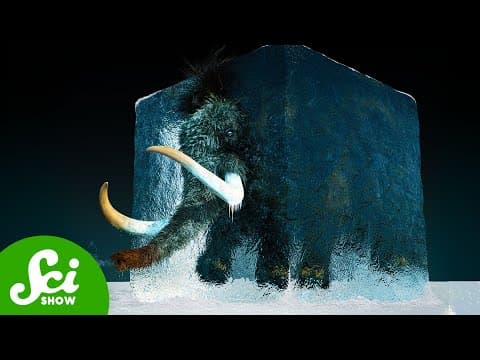
Permafrost is a term that has gained attention in recent years, often associated with stories of ancient frozen creatures or the alarming prospect of melting ice releasing dormant viruses. However, the reality of permafrost is far more complex and significant than many might realize. It is not merely a layer of ice and snow; it is a vital component of our planet's ecosystem, with profound implications for climate change and global warming.
In simple terms, permafrost refers to soil that remains frozen for at least two consecutive years. While it often contains rock and ice, the most critical element is organic matter. This organic matter is crucial because it contains carbon, which plays a significant role in the global carbon cycle. When plants grow, they absorb carbon dioxide from the atmosphere and store it in their structure. Upon dying, if they decompose, this carbon is released back into the atmosphere. However, permafrost acts as a freezer, halting this decomposition process and trapping carbon within its frozen layers.
Permafrost serves as a carbon sink, effectively preventing the release of greenhouse gases into the atmosphere. However, as global temperatures rise, permafrost begins to thaw, allowing microbes to break down the organic matter and release carbon dioxide and methane—both potent greenhouse gases. Methane is particularly concerning as it is significantly more effective at trapping heat than carbon dioxide, warming the planet up to 30 times more over a century.
The situation is exacerbated by the fact that the Earth's polar regions are warming at nearly twice the rate of the rest of the planet. The vast majority of permafrost is located in these areas, covering approximately 14 million square kilometers across Northern Europe, Alaska, and the Arctic regions of Canada and Russia. This permafrost contains about twice the amount of carbon currently present in the atmosphere, making its stability crucial for climate regulation.
Contrary to popular belief, permafrost is not a barren wasteland. It can support thriving ecosystems, such as boreal forests, which play a vital role in insulating and shading the permafrost, preventing it from thawing. However, disturbances like wildfires can lead to significant melting. A study conducted in Alaska in 2023 found that areas affected by wildfires were nearly a third more likely to emit methane due to the loss of vegetation that previously provided insulation.
One of the most intriguing types of permafrost is known as yedoma. This layer, found primarily in Siberia, Alaska, and Canada, can be up to 130,000 years old and is rich in both ice and carbon. Yedoma forms through a process where seasonal freezing and thawing create ice wedges, which can be over 40 meters deep. This unique structure not only stores carbon but also poses risks when it melts. The melting of ice wedges destabilizes the surrounding permafrost, leading to ground collapse and further greenhouse gas emissions.
Research indicates that by the year 2300, greenhouse gas emissions from permafrost could equal the total emissions produced by humans up to the year 2000. While there is uncertainty regarding the exact figures, it is clear that permafrost has the potential to release significant amounts of greenhouse gases, further complicating the fight against climate change.
Understanding permafrost is essential as it plays a critical role in our planet's future. As we face the realities of climate change, preserving permafrost becomes increasingly important. By reducing carbon emissions and mitigating the effects of global warming, we can help ensure that this unique frozen ecosystem remains intact for generations to come. The complexities of permafrost remind us that our planet's systems are interconnected, and our actions today will have lasting impacts on the environment.



















