
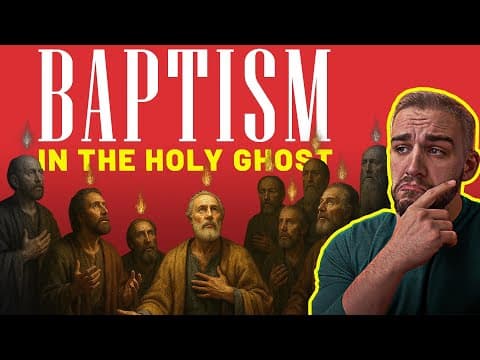
This blog post explores the doctrine of the baptism of the Holy Spirit, discussing its significance, differing theological perspectives, and scriptural foundations. It examines the experiences of early Christians, the implications of these beliefs, and the importance of unity within the body of Christ. The post aims to clarify misconceptions and encourage a deeper understanding of the Holy Spirit's role in the life of believers.
The baptism of the Holy Spirit is a significant and often debated doctrine within the Christian faith. This blog post aims to explore the various perspectives on this topic, delve into scriptural references, and clarify the implications of these beliefs for Christians today.
The baptism of the Holy Spirit, often referred to as the baptism of the Holy Ghost, is considered by many to be a crucial experience in the life of a believer. Some view it as a second blessing that occurs after conversion, while others see it as synonymous with the moment of salvation. This post will examine these differing views, particularly focusing on the perspectives of Pentecostals and other Christian denominations.
The day of Pentecost marks a pivotal moment in Christian history. It is the day when the Holy Spirit was poured out on the disciples, fulfilling the promise made by Jesus. This event is often cited as the beginning of the Church and the inauguration of the new covenant. The significance of Pentecost lies not only in the outpouring of the Spirit but also in the empowerment it provided to the early believers for their mission.
The promise of the Holy Spirit was foretold in the Old Testament. Prophets like Ezekiel spoke of a time when God would put His Spirit within His people, enabling them to live according to His statutes. This promise is crucial for understanding the new covenant and the role of the Holy Spirit in the life of believers today.
Classical Pentecostals believe that the baptism of the Holy Spirit is a distinct experience that occurs after conversion. They argue that this experience is evidenced by speaking in tongues and is essential for empowerment in ministry. Key scriptural references for this view include:
In contrast, many evangelicals argue that the baptism of the Holy Spirit occurs simultaneously with conversion. They emphasize that all believers receive the Holy Spirit at the moment of salvation, as indicated in passages such as:
This perspective seeks to unify believers, emphasizing that there are no second-class Christians based on their experiences with the Holy Spirit.
The Holy Spirit plays a vital role in the life of every believer. He empowers, guides, and equips Christians for service. The gifts of the Spirit, including prophecy, healing, and speaking in tongues, are meant to edify the Church and glorify God. It is essential to recognize that every believer has access to the Holy Spirit and His gifts, regardless of their specific experiences or theological background.
One of the significant concerns surrounding the baptism of the Holy Spirit is the potential for division within the Church. The belief in a second blessing can lead to the creation of two classes of Christians: those who have experienced the baptism and those who have not. This division undermines the unity that Christ desires for His body.
While some may argue that the differences in terminology are merely semantic, the implications of these beliefs are profound. It is crucial to approach this topic with sensitivity and a commitment to unity. Recognizing that all believers are baptized in the Spirit at conversion can foster a more inclusive and supportive community.
In conclusion, the baptism of the Holy Spirit is a vital aspect of the Christian faith that warrants careful consideration and discussion. By examining the scriptural foundations and understanding the various perspectives, believers can gain a deeper appreciation for the role of the Holy Spirit in their lives. Ultimately, the goal is to encourage unity within the body of Christ, celebrating the diverse experiences and gifts that each believer brings to the Church.
As we seek to understand and embrace the work of the Holy Spirit, let us remember that we are all part of one body, empowered to serve and glorify God together.



















