
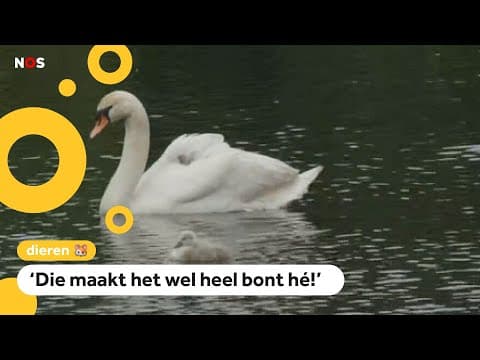
This blog post explores the behavior of a local swan known as 'Terror Harry', discussing his protective instincts, the reactions of local residents, and the implications of his aggressive behavior on community interactions with wildlife.
In a quiet neighborhood, a particular swan has gained notoriety for his aggressive behavior, earning him the nickname 'Terror Harry'. This blog post delves into the reasons behind Harry's actions, the community's response, and the broader implications of human-wildlife interactions.
Male swans, like Harry, are known for their protective nature, especially when it comes to their nests and families. Harry has been displaying this behavior for three consecutive years, indicating a consistent pattern in his actions.
Residents have observed Harry's aggressive displays, which include puffing up his feathers and hissing at anyone who approaches too closely. This behavior serves as a warning, signaling that he is ready to defend his territory.
Local residents have mixed feelings about Harry. While some find his antics amusing, others are concerned about his aggressive demeanor. One resident noted that Harry can be quite intimidating, especially when he spreads his wings and approaches cars that pass by.
Despite his fearsome reputation, there is a sense of empathy for Harry among some community members. They recognize that his aggressive behavior may stem from stress, particularly when compared to other swans that inhabit quieter areas.
The nickname 'Terror Harry' has sparked debate among locals. Some believe it unfairly characterizes the swan, arguing that he is simply acting on instinct to protect his family. One resident expressed a desire for a more dignified name, suggesting alternatives like 'Roderik' or 'Rogier'. This highlights a broader conversation about how we perceive and label wildlife in our communities.
When encountering swans like Harry, it is crucial for residents to approach the situation with caution and respect. Here are some recommended practices:
By following these guidelines, residents can coexist peacefully with local wildlife while minimizing stress for the animals.
'Terror Harry' serves as a reminder of the complexities of human-wildlife interactions. While his aggressive behavior may be alarming, it is rooted in instinctual protective behavior. Understanding and respecting these instincts can lead to a more harmonious relationship between residents and the wildlife that shares their environment. As we navigate these interactions, it is essential to approach them with empathy and awareness, ensuring that both humans and animals can thrive in their shared spaces.



















