
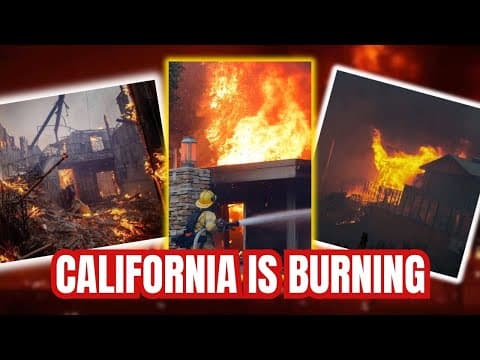
California is currently facing devastating wildfires exacerbated by unusual weather patterns, inadequate firefighting resources, and insurance challenges. The situation raises concerns about climate change, emergency preparedness, and the socio-economic implications for residents.
California is once again grappling with severe wildfires, a situation that has left many residents in shock and fear. As someone who has lived in California for over three years, I find the current events particularly alarming. The wildfires have escalated rapidly, affecting affluent areas like the Pacific Palisades and spreading to densely populated regions such as West Hollywood and downtown Los Angeles.
The wildfires began unexpectedly, with reports emerging early in the morning about the Palisades fire. Initially starting at just one acre, it quickly ballooned to over 3,000 acres within hours. Eyewitness accounts describe scenes reminiscent of apocalyptic movies, with abandoned cars lining Sunset Boulevard as residents attempted to flee the flames. The situation has been exacerbated by unusually high winds, reaching speeds of up to 80 miles per hour, which have made firefighting efforts increasingly difficult.
The timing of these fires is particularly concerning. Wildfires in California are typically associated with the dry summer months, yet these fires are occurring in January, a time when such events are rare. This anomaly raises questions about climate change and its role in altering weather patterns. Many residents have noted the strange winds and fog that preceded the fires, leading to speculation about potential environmental manipulation.
A significant issue compounding the crisis is the withdrawal of major insurance companies from California. Companies like State Farm have ceased offering fire insurance in high-risk areas, leaving homeowners vulnerable. This trend has been alarming, especially as many residents are now realizing that they may not have the financial backing to rebuild their homes after the fires. The lack of fire insurance coverage is a stark reminder of the precariousness of living in a state prone to natural disasters.
The response from local authorities has also come under scrutiny. Reports indicate that the Los Angeles Fire Department is facing severe staffing shortages, with many firefighters unable to respond due to the dangerous conditions. Additionally, funding cuts to the fire department have left them ill-equipped to handle multiple large-scale fires simultaneously. The situation has led to a reliance on untrained personnel, including inmates, to assist in firefighting efforts.
The human toll of these wildfires is profound. Thousands of residents have been forced to evacuate, with many having nowhere to go. The emotional and psychological impact on those affected cannot be overstated. Families are losing their homes, pets, and cherished belongings, while the air quality deteriorates, posing health risks to those who remain.
Political leaders have been quick to assign blame, with former President Donald Trump criticizing California Governor Gavin Newsom for not signing a water restoration declaration. This back-and-forth highlights the political tensions that often arise during natural disasters, diverting attention from the immediate needs of affected residents.
The current wildfires in California are a complex issue involving climate change, inadequate emergency response, and socio-economic challenges. As the situation continues to unfold, it is crucial for residents to stay informed and prepared for potential evacuations. The need for comprehensive disaster preparedness plans has never been more apparent, as communities face the reality of living in a state increasingly vulnerable to natural disasters.
In the face of these challenges, it is essential to support one another and advocate for better policies that prioritize the safety and well-being of all Californians.



















