
This article explores the story of Stephen, the first Christian martyr, highlighting his role as a Christian leader rather than a preacher, his public assassination, and the profound impact of his sacrifice. It emphasizes how Stephen's death led to the conversion of Saul of Tarsus (Paul the Apostle) and reflects on the spiritual significance of martyrdom and revival in the modern context.
In the book of Acts, we encounter a profound story that illustrates a fundamental truth: if God is going to save or redeem someone, He will often spend someone else in the process. This concept is powerfully demonstrated in the life and death of Stephen, the first martyr of the gospel of Jesus Christ.
Stephen was not a preacher, prophet, or apostle. Instead, he was a Christian leader appointed by the apostles themselves. In Acts chapter 6, the apostles selected seven men full of faith and the Holy Spirit to handle administrative duties so that the apostles could devote themselves to prayer and the ministry of the word.
Stephen’s role was crucial but different from the traditional spiritual leadership roles. He was a leader who managed practical matters within the early church, allowing others to focus on preaching and prayer.
Stephen’s story is found in Acts chapters 6 and 7. He was publicly debated and disputed by opponents who could not resist the wisdom and spirit by which he spoke. His intelligence, deep knowledge of Scripture, and godly wisdom made him a formidable figure in these debates.
However, his opponents grew angry and plotted his death. Stephen was taken to a public, uncovered area where he was stoned to death. Despite the violence, Stephen did not curse his attackers. Instead, he prayed, asking God not to hold their sin against them, echoing the forgiveness Jesus showed on the cross.
While Stephen was being stoned, those who executed him laid their coats at the feet of a man named Saul of Tarsus. Saul was a fierce persecutor of the early church, mocking and imprisoning Christians. Yet, God was using Stephen’s sacrifice to buy Saul’s salvation.
Saul would later encounter Jesus on the road to Damascus and become Paul the Apostle, authoring 14 books of the New Testament. This transformation highlights how God can use the sacrifice of one faithful leader to redeem and transform even the most unlikely individuals.
Stephen’s martyrdom is not just a historical event but a spiritual lesson. God often spends faithful servants to buy a new generation, as prophesied in Joel chapter 2, where God promises to pour out His Spirit on sons and daughters in the last days.
The Bible teaches that blood has a voice. The first murder, Cain killing Abel, resulted in Abel’s blood crying out for vengeance. However, the blood of Jesus speaks better things, offering forgiveness and redemption instead of revenge.
The article draws a parallel to the modern-day tragedy of Charlie Kirk’s death on a college campus. Instead of crying out for revenge or hatred, the hope is that his blood cries out for revival—a move of God across campuses in the nation.
This revival would bring millions of souls to Christ and raise an army of young people who march with the love of Jesus to a lost and dying world.
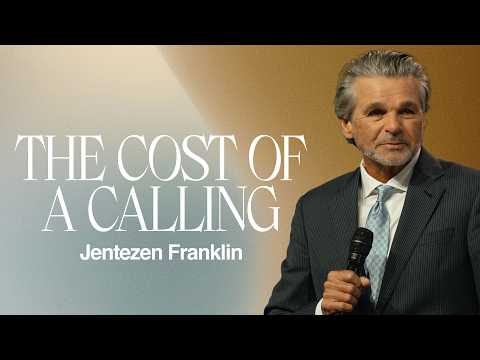
Stephen’s story teaches us about the cost of a calling. Being a Christian leader or servant may come with great sacrifice, including persecution and even death. Yet, these sacrifices are not in vain. They serve a greater purpose in God’s plan, often leading to the salvation and transformation of others.
The legacy of Stephen reminds us that true godly wisdom and faith can withstand opposition and that God’s work often involves spending faithful servants to bring about a greater harvest. As we reflect on these truths, may we be inspired to live boldly for Christ, knowing that our sacrifices can have eternal impact.



















