
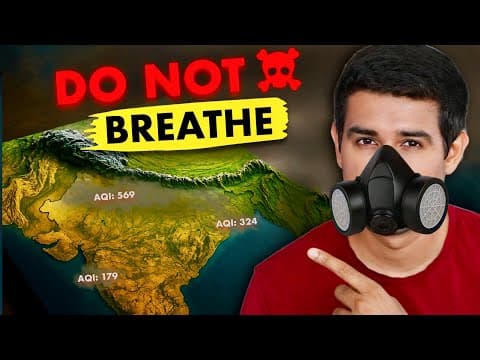
India faces a severe air pollution crisis, with PM2.5 levels far exceeding safe limits set by the WHO. The causes are multifaceted, including vehicular emissions, industrial pollution, and stubble burning, affecting the health of millions and leading to significant economic losses. Immediate action is required to address these issues and improve air quality across the country.
April marks the beginning of summer in India, a time when many believe the air quality improves. However, this is a misconception. Air pollution in India is a year-round issue, often only highlighted when the Air Quality Index (AQI) reaches alarming levels during winter. Recent reports, particularly from IQAir, reveal shocking statistics about air quality across the country, indicating that the situation is dire and worsening.
According to IQAir's latest report, the air quality in India is classified as extremely poor by European standards, even when it is deemed moderate by Indian standards. PM2.5 particles, which are 1/30th the width of a human hair, pose significant health risks as they penetrate deep into the lungs and enter the bloodstream, increasing the risk of heart diseases and strokes.
PM2.5 refers to particulate matter that is 2.5 micrometers or smaller. These particles can travel deep into the lungs and even reach the brain, causing various health issues, including:
Vehicular pollution is the leading cause of air pollution in urban areas, accounting for a significant percentage of PM2.5 levels. In Delhi, for instance, vehicles contribute to approximately 47% of PM2.5 pollution. The rapid increase in the number of vehicles, from 3 million in 1998 to over 12 million in 2019, exacerbates the problem.
Dust from roads and construction sites contributes significantly to air pollution. In cities like Delhi and Kolkata, road dust accounts for a substantial portion of PM2.5 levels. Poor infrastructure and unpaved roads worsen this issue.
Construction sites generate a considerable amount of dust, contributing to 20-30% of air pollution in major cities. Regulations exist to control dust emissions, but enforcement is often lacking.
While often highlighted in the media, stubble burning contributes less to overall air pollution than commonly believed. However, it remains a significant seasonal contributor, particularly in North India.
Industries related to chemicals, textiles, and power generation are major contributors to air pollution. In cities like Delhi and Kolkata, industrial emissions account for a notable percentage of PM2.5 levels.
The Indian government has launched initiatives like the National Clean Air Programme, aiming to reduce PM10 levels in polluted cities. However, the implementation has been lackluster, with only 64% of allocated funds utilized effectively. Most spending has focused on temporary dust control measures rather than addressing the root causes of pollution.
The lack of political will to address air pollution is evident, as it often takes a backseat to more sensational issues in political discourse. Public awareness campaigns are crucial to educate citizens about the dangers of air pollution and the need for collective action.
To effectively tackle air pollution, a multi-faceted approach is necessary:
India's air pollution crisis is a complex issue that requires immediate and sustained action from both the government and the public. By understanding the causes and advocating for effective solutions, we can work towards cleaner air and a healthier future for all citizens. The time to act is now, as the health and economic implications of inaction are too severe to ignore.



















