
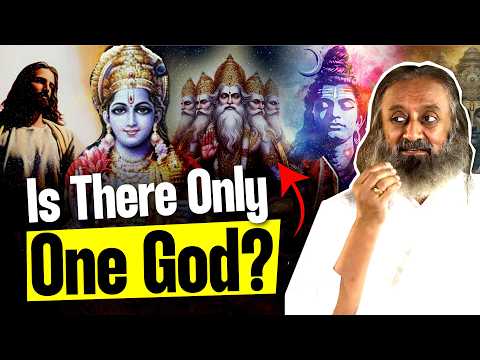
This blog post explores the concept of multiple deities in Hinduism as manifestations of a singular divine light, emphasizing the importance of diversity in both spirituality and society. It also addresses the caste system, arguing for the equal reverence of all societal roles and the inherent love that defines human consciousness.
Hinduism is often characterized by its multitude of gods and goddesses, leading many to question the necessity of such diversity. This post delves into the philosophical underpinnings of Hinduism, particularly the nature of divinity and the caste system, to provide a comprehensive understanding of these concepts.
In Hindu philosophy, devatas (deities) are likened to the colors of a rainbow, emerging from the singular light of Paramatma, or God. Just as white light disperses into various colors when passing through a prism, the divine manifests in multiple forms, each representing different qualities of the same ultimate reality.
Paramatma is described as formless, yet devotees often prefer to worship in a specific form. This desire for form is not a limitation but rather a way to connect with the divine. Each deity, such as Shiva, Vishnu, Devi, and Ganapati, embodies unique attributes that reflect the diverse qualities of the one divine light.
A common inquiry arises: which deity is superior? The answer lies in understanding that all deities are equal expressions of the same divinity. Just as one cannot rank colors in a rainbow as superior or inferior, the various forms of God should not be viewed hierarchically. Each deity serves a purpose and resonates with different aspects of human experience.
The diversity seen in the divine is mirrored in the natural world. God has created a planet filled with a vast array of life forms, foods, and experiences. For instance, in Peru and Colombia, there are over 3,000 types of potatoes, showcasing the richness of creation. This diversity is a reflection of God's nature, which embraces variety rather than conformity.
To illustrate this point, consider how individuals change their clothing styles. Just as people enjoy wearing different outfits, God expresses Himself in various forms. Limiting God to a single representation contradicts the very essence of His nature, which thrives on diversity.
The caste system in India has often been misunderstood, particularly the notion that certain castes are superior to others. Traditionally, it has been described that Brahmins (the priestly class) come from the head, Kshatriyas (warriors) from the arms, Vaishyas (merchants) from the thighs, and Shudras (laborers) from the feet. This classification raises the question: which part of the body is most important?
In reality, every part of the body has its significance. The feet, often worshipped in Indian culture, symbolize the labor force that sustains society. Historically, Shudras were respected for their contributions, and many revered spiritual leaders emerged from these communities. This perspective emphasizes that in the realm of spirituality, all castes merge into one human existence defined by love.
At the core of human existence is the nature of consciousness, which is fundamentally love. The world may present itself in various names and forms, but the essence of life is consciousness, characterized by love and connection. This understanding transcends caste distinctions, uniting all individuals in a shared spiritual journey.
In conclusion, the multitude of deities in Hinduism represents the diverse expressions of a singular divine light. Embracing this diversity enriches our understanding of spirituality and humanity. The caste system, when viewed through the lens of equality and respect for all roles, reveals a deeper truth about the interconnectedness of society. Ultimately, love is the essence of both God and human consciousness, guiding us toward unity and understanding in a diverse world.



















