
Understanding the Dry Fire Hydrants During L.A. Fires: A Deep Dive into Water Supply Challenges
The recent L.A. fires raised concerns over dry fire hydrants, leading to criticism and misinformation. This article explores the complexities of L.A.'s water supply system, the impact of demand during wildfires, and the factors contributing to the challenges faced by firefighters.
When fire hydrants ran dry in the Pacific Palisades during the recent wildfires, it ignited a wave of criticism and misinformation. Many speculated that the issue stemmed from local government failures, particularly blaming officials like Karen Bass for not filling reservoirs. However, the reality is more complex.
The Water Supply System in Los Angeles
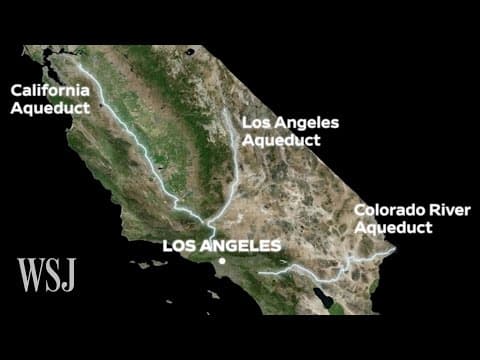
Los Angeles County relies heavily on external water sources, with about two-thirds of its water coming from outside the region. The geographical layout of L.A., surrounded by mountains and hills, necessitates that much of this water be pumped to higher elevations. Erik Porse, director of the California Institute for Water Resources, likens the water supply system to a tree with interconnected branches.
- Trunk Mains: These large pipes transport water from treatment plants or reservoirs.
- Distribution Mains: Smaller pipes that branch off from the trunk mains.
- Lateral Lines: Even smaller pipes that deliver water to homes, businesses, and fire hydrants.
To maintain adequate pressure throughout the system, tanks and reservoirs are strategically placed. Pressure is crucial as it pushes water into various nodes, including fire hydrants.
The Impact of Wildfires on Water Supply
During the L.A. wildfires, the demand for water surged, overwhelming the system. Officials reported that several tanks were drained, leading to insufficient pressure to supply hydrants in the Palisades area. Despite the presence of water in the trunk lines, the inability to fill tanks quickly enough meant that firefighters could not access the water they needed.
Data indicates that major California reservoirs were at or above historic averages when the fires broke out, contradicting claims of a water shortage. Governor Gavin Newsom expressed concern over reports of low water pressure and the unavailability of supplies from the Santa Ynez Reservoir, labeling the situation as deeply troubling.
Misconceptions and Criticism
Amid the chaos, misinformation spread regarding the causes of the water issues. Some critics pointed fingers at environmental policies aimed at protecting species like the delta smelt, suggesting these regulations restricted water flow to Southern California. Former President Trump criticized these policies, claiming they prioritized a "worthless fish" over the needs of Californians.
However, state officials, including Karla Nemeth, countered these claims, emphasizing that the water supply challenges were not related to environmental protections. They highlighted that the real issue was the combination of strong winds and the challenging topography, which exacerbated the fire's spread and made firefighting efforts more difficult.



















