
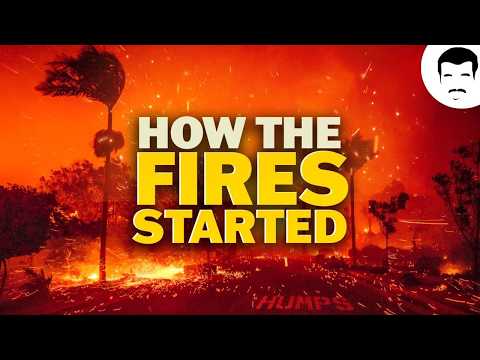
The recent wildfires in Los Angeles are exacerbated by extreme drought conditions, high winds, and human activities. This blog post explores the causes of these wildfires, the role of climate change, and recommendations for mitigating future risks.
The recent wildfires in Los Angeles have raised significant concerns about their intensity and frequency. This blog post delves into the factors contributing to these extreme wildfires, the role of climate change, and what can be done to mitigate future risks.
In urban areas like Los Angeles, natural ignition sources for wildfires are rare. Instead, human activities often spark these devastating fires. Potential ignition sources include power lines, carelessly discarded cigarette butts, or residual sparks from fireworks. With millions of people living in close proximity, the risk of human-caused ignitions increases significantly.
As of mid-January, Southern California is experiencing an unprecedented dry spell, marking the driest start to the rainy season in recorded history. While Northern California has seen significant rainfall, the southern part of the state, including Los Angeles County, has remained bone dry. This lack of moisture, combined with strong offshore winds, creates a perfect storm for wildfires.
During the late fall and early winter, Southern California experiences strong offshore winds, known as Santa Ana winds. These winds can reach speeds of up to 100 mph, drying out the air and vegetation. The combination of high winds and low humidity creates conditions where even the slightest spark can ignite a wildfire. The underbrush, particularly chaparral vegetation, is highly flammable due to the oils it contains, making it a significant fuel source for fires.
Climate change is a critical factor in the increasing frequency and intensity of wildfires. As the planet warms, the conditions that lead to wildfires become more prevalent. The phenomenon known as "climate whiplash"—where wet winters are followed by extreme drought—has doubled the risk of wildfires in California. This cycle encourages vegetation growth during wet periods, only to dry out and become highly flammable during droughts.
One of the key concepts in understanding the relationship between climate change and wildfires is the expanding atmospheric sponge effect. As the atmosphere warms, it can hold more moisture, leading to more intense precipitation events when it rains. Conversely, during dry spells, the atmosphere extracts moisture from the landscape, increasing drought conditions. This dual effect contributes to the extreme weather patterns that fuel wildfires.
Fighting wildfires in extreme conditions poses significant challenges. Traditional fire suppression methods, such as water drops from helicopters, are often ineffective during high winds. The dynamics of wind-driven wildfires are complex; they do not progress linearly but rather create a snowstorm of embers that can ignite new fires far from the original blaze. This makes containment efforts particularly difficult.
As communities begin to rebuild after devastating fires, it is crucial to implement strategies that enhance fire resilience. Here are some recommendations:
Embrace Controlled Burns: Recognizing that fire is a natural part of many ecosystems, communities should consider prescribed burns and cultural burning practices to manage vegetation and reduce fuel loads.
Improve Community Planning: Urban planning should include multiple escape routes and better road networks to facilitate evacuation and access for firefighters during emergencies.
Enhance Building Codes: Structures should be built or retrofitted with fire-resistant materials. Simple measures, such as installing ember-resistant vents, can significantly reduce the risk of homes igniting from embers carried by the wind.
Manage Vegetation: Homeowners should be encouraged to maintain defensible space around their properties by removing flammable vegetation and using non-flammable landscaping materials.
Buried Power Lines: To reduce the risk of power lines sparking fires during high winds, communities should consider burying power lines in fire-prone areas.
Community Awareness and Education: Ongoing education about fire risks and prevention strategies is essential for residents in fire-prone areas.
The wildfires in Los Angeles serve as a stark reminder of the challenges posed by climate change and human activity. By understanding the causes and implementing proactive measures, communities can better prepare for and mitigate the impacts of future wildfires. As we move forward, it is essential to engage in conversations about rebuilding and resilience to ensure that we do not repeat the mistakes of the past.



















