
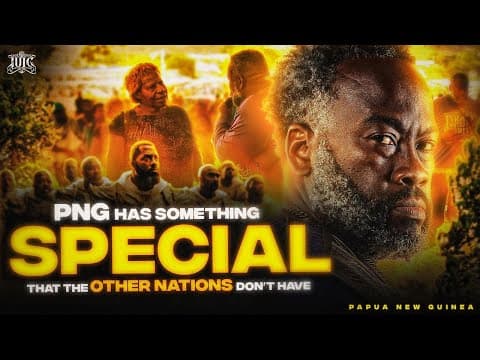
This blog post explores the belief among some Papua New Guineans that they are descendants of the Israelites, discussing biblical references, historical context, and the implications of this identity on their understanding of salvation and community.
In recent discussions, a significant topic has emerged regarding the identity of the people of Papua New Guinea (PNG) as descendants of the Israelites. This belief has sparked curiosity and confusion among many, particularly in relation to biblical teachings about salvation and the true identity of the Jewish people. This blog post aims to clarify these beliefs, explore the biblical references that support them, and discuss the implications for the people of Papua New Guinea.
The conversation begins with the assertion that the people of Papua New Guinea are indeed the descendants of the Israelites. This claim is rooted in the belief that they share a lineage with biblical figures such as Judith, Esther, and Sarah. The speaker emphasizes that the suffering experienced by the people of PNG is a result of breaking God's commandments, suggesting a direct connection between their current state and their ancestral identity.
A key point of confusion arises from the interpretation of John 3:16, which states, "For God so loved the world that he gave his only Son." Many Papua New Guineans believe this verse indicates that salvation is available to everyone who believes in Christ. However, the speaker challenges this notion, asserting that salvation is specifically for the Israelites. This perspective raises questions among the audience about their own identity and relationship with God.
The speaker references several biblical passages to support the claim that the people of Papua New Guinea are the true Israelites. One significant verse cited is Revelation 2:9, which states, "I know thy works and tribulation and poverty, but thou art rich." This verse is interpreted to mean that despite their current struggles, the people of PNG are spiritually rich because the kingdom of heaven is meant for them.
The speaker further argues that the individuals currently identified as Jews in Israel are not the true descendants of the Israelites. This assertion is based on Revelation 2:9, which describes those who claim to be Jews but are not, labeling them as the "synagogue of Satan." This controversial claim suggests that the true Jews are the people of Papua New Guinea, who have been misled about their identity.
The discussion also touches on the historical context of colonialism and exploitation faced by the people of Papua New Guinea. The speaker argues that foreign powers, particularly white colonizers, have robbed the island of its resources, leaving the local population in poverty. This exploitation is framed as a continuation of the enmity between the Israelites and their historical oppressors.
The speaker emphasizes the importance of recognizing their identity as Israelites. Citing Deuteronomy 7:6, which states, "For thou art a holy people unto the Lord thy God," the speaker encourages the audience to embrace their special status as chosen people. This recognition is seen as crucial for understanding their place in the world and their relationship with God.
The belief that the people of Papua New Guinea are descendants of the Israelites is a powerful narrative that resonates deeply within the community. It challenges traditional interpretations of scripture and encourages a re-examination of identity and purpose. By embracing this identity, the people of PNG can find strength in their heritage and a renewed sense of belonging in the spiritual narrative of the Bible. This discussion not only highlights the complexities of identity but also underscores the importance of understanding one's roots in the face of historical and contemporary challenges.



















