
Bees play a crucial role in our ecosystem, pollinating one in three bites of food we consume. However, their populations are declining due to human activities. This blog post explores the significance of bees, the challenges faced by people of color in beekeeping, and practical steps everyone can take to support bee populations.
Bees are essential for our survival, pollinating one in three bites of food we eat. However, their populations are currently in decline, primarily due to human activities. In this blog post, we will explore the significance of bees, the challenges faced by people of color in beekeeping, and practical steps everyone can take to support bee populations.
Bees are vital pollinators, contributing significantly to the food supply. Their work ensures the growth of fruits, vegetables, and nuts, making them indispensable to our diets and agriculture. Unfortunately, bee populations are facing unprecedented declines, which poses a threat to food security and biodiversity.
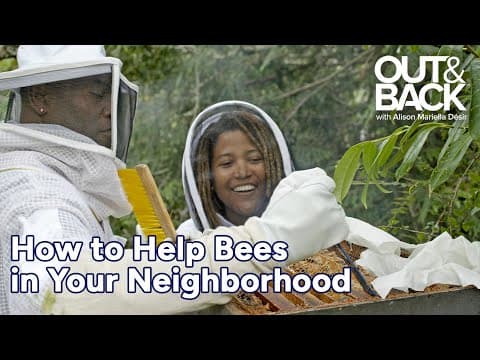
In West Seattle, Alison Mariella Désir meets beekeeper Chris Porter to learn more about beekeeping and the challenges bees face today. Chris shares his journey into beekeeping, which began with a newfound interest sparked by documentaries about bees. Despite not having a background in nature, he became captivated by the world of bees and eventually received a beekeeping outfit as a gift, marking the start of his beekeeping journey.
Chris discusses the obstacles that prevent people of color from engaging in beekeeping. One significant barrier is the cost associated with starting beekeeping, which can reach up to $800 for the necessary equipment and hives. Additionally, the lack of home ownership and access to land can further hinder individuals from pursuing this activity. These factors contribute to the underrepresentation of people of color in outdoor activities and beekeeping.
The decline in bee populations is alarming, primarily driven by human behavior. The use of pesticides and the destruction of natural habitats for urban development are significant contributors to this crisis. Chris emphasizes that individuals can take action to protect bees by:
Many people have a fear of bees or are allergic to them. Chris reassures that bees are not out to harm humans; they are focused on their community and survival. Understanding bee behavior and their role in the ecosystem can help alleviate fears. Instead of viewing bees as threats, individuals can learn to appreciate their importance and coexist peacefully with them.
During the visit, Alison experiences the honey extraction process firsthand. Chris explains how smoke is used to calm the bees, allowing for safe handling of the hives. The extraction process is labor-intensive but rewarding, as it highlights the effort required to produce honey. Alison expresses her newfound appreciation for honey, recognizing that it is a product of careful stewardship of the environment.
Chris reflects on the historical connection between people of color and the environment. He emphasizes the importance of respecting and giving back to nature, as it has always been integral to survival. By reclaiming spaces in the environment, individuals can honor their ancestral ties and contribute positively to the ecosystem.
Bees are crucial to our ecosystem, and their decline is a pressing issue that requires collective action. By understanding the challenges faced by beekeepers, particularly people of color, and taking steps to protect bee populations, we can all contribute to a healthier environment. Whether through planting bee-friendly plants or educating ourselves about bee behavior, every action counts in supporting these vital pollinators.



















