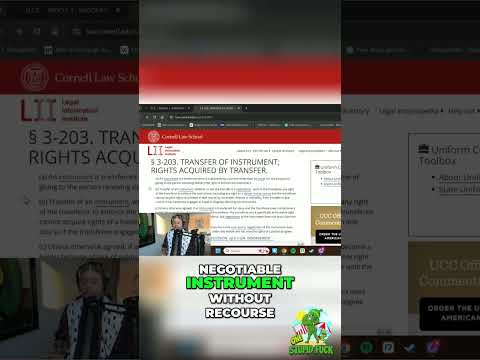
This blog post explores the legality of blank endorsements, clarifying misconceptions about their use in financial transactions. It discusses the legal framework surrounding endorsements, the potential consequences of improper endorsements, and emphasizes the importance of clear communication in financial dealings.
In the realm of finance and legal agreements, the concept of blank endorsements often raises questions about their legality and ethical implications. This blog post aims to clarify the legal standing of blank endorsements, the potential consequences of their misuse, and the importance of clear communication in financial transactions.
A blank endorsement is a signature on a financial instrument, such as a check, that does not specify the payee. This type of endorsement allows the instrument to be transferred to another party without restrictions. While many people may perceive this practice as dubious, it is essential to understand that signing a blank endorsement is not inherently illegal.
According to the Uniform Commercial Code (UCC), which governs commercial transactions in the United States, the act of signing a blank endorsement is legal as long as it is done voluntarily and without coercion. The law does not consider the act of signing a blank endorsement as fraudulent unless there is evidence of intent to deceive.
Many individuals mistakenly believe that blank endorsements are illegal. However, the reality is that as long as the signer does not raise concerns about fraud or coercion, the actions taken by the bank or financial institution regarding blank endorsements are legal. This misunderstanding often stems from emotional reactions when individuals feel wronged or misled in financial dealings.
While blank endorsements themselves are legal, complications can arise when additional endorsements or modifications are made. For instance, if a person writes a special endorsement that specifies payment terms and later faces a demand for payment, this could lead to legal issues.
When a person endorses a financial instrument without recourse, they are indicating that they will not be held liable for any future claims related to that instrument. If a financial institution attempts to collect on a bill of exchange after such an endorsement, it may be acting illegally. In such cases, the individual has the right to contest the demand based on the original terms of the endorsement.
Effective communication is crucial in navigating the complexities of financial transactions. If a person receives a bill of exchange after endorsing a document without recourse, it is advisable to reach out to the institution for clarification. A calm and clear explanation of the original endorsement can often resolve misunderstandings.
In situations where confusion arises, individuals should not jump to conclusions about the intentions of financial institutions. Instead, they should approach the matter with a mindset of inquiry and clarity. Sending an affidavit or a written explanation can help clarify the situation and prevent unnecessary disputes.
As more individuals become educated about the intricacies of financial agreements and endorsements, there may be significant changes in the landscape of financial professions. A growing awareness of legal rights and responsibilities could lead to a shift in how financial institutions operate and how professionals within these institutions engage with clients.
In conclusion, while blank endorsements are legal under the current financial framework, it is essential for individuals to understand their rights and responsibilities when engaging in financial transactions. Clear communication and a calm approach to resolving disputes can help mitigate potential issues. As the financial landscape evolves, staying informed and proactive will empower individuals to navigate their financial dealings with confidence.