
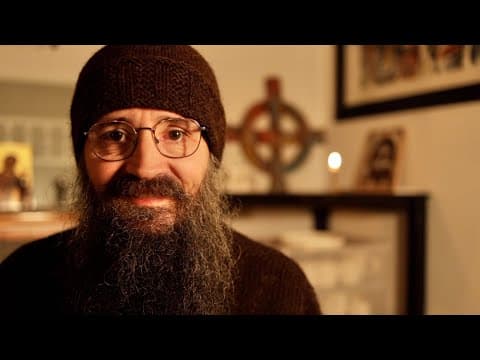
This blog post explores the profound message that Jesus Christ came for sinners, emphasizing the importance of repentance and the transformative power of faith. It highlights that all saints were once sinners and encourages readers to embrace their journey of turning towards Christ, regardless of the challenges faced along the way.
Hello, my dear ones! May God bless you, wherever you are. Today, I want to share something that is close to my heart. Often, the most impactful messages are simple and straightforward, yet they resonate deeply. Life can become complicated, not just in practical matters like finances and relationships, but also within our inner lives. Sometimes, we find ourselves in a swamp of weaknesses, sinfulness, and failure, feeling as though we are being dragged down.
If you have ever felt this way, know that you are not alone. I have been there too. In these moments, what helps me the most is to remind myself that Jesus Christ, our Savior, belongs to sinners. It is easy to lose sight of this fundamental truth: Christ did not come for the saints but for sinners, so that they may become saints.
Every saint was once a sinner. Even the most revered figures, like the Mother of God, inherited the original sin of Adam. While she had no personal sin, she still experienced the consequences of the fall. We often become so distracted by the need to emulate the saints that we forget that Christ came for each of us, for our redemption.
The essence of Christ's message is clear: He came for sinners to call them to repentance. The beginning of His preaching was a simple yet profound command: "Repent." The Greek word for repentance is "metanoia," which means to turn around or change one's mind by 180 degrees. This act of turning is not merely a mental acknowledgment but a practical change in direction.
The proof of our repentance is not found in mere words or thoughts but in the tangible change in our lives. Before meeting Christ, we may have lived one way, but after encountering Him, we should strive to live in the opposite direction. This transformation is the joy and hope of our lives.
From my experience as a priest, I have witnessed that the journey of transformation looks different for everyone. For some, change can happen overnight, as seen in the story of St. Mary of Egypt, who turned her life around dramatically after a single encounter with the divine. However, for most of us, this process of metanoia takes time—sometimes years or even a lifetime.
It is crucial to remain aware of our sinfulness and the need for repentance. We must not deceive ourselves into thinking that simply believing in Christ allows us to continue living in sin. As long as we acknowledge our shortcomings and strive to turn around, Christ will fulfill the steps we cannot complete on our own.
Christ came for us, for sinners, with a clear purpose: to guide us towards repentance and salvation. He warns us that if we continue in our sinful ways, we risk eternal separation from Him. His message is one of hope, urging us to turn around and embrace a life aligned with His teachings.
Christ embodies divine patience and compassion. His love is not limited or conditional; it is boundless. If our journey of repentance takes longer than we expect, we must not lose heart. Instead, we should keep the desire for change alive within us. At the end of our lives, if we have genuinely tried our best, Christ will complete the remaining steps of our repentance.
Jesus Christ is love, and He belongs to us sinners. His incarnation and birth, which we celebrate at Christmas, serve as a reminder of His commitment to our redemption. He came to show us how to turn around and to assure us that we are never alone in our struggles.
As we reflect on this message, let us remember that Christ is born for us sinners. Glorify Him! Be blessed, my beloved ones. Amen, amen, amen.



















