
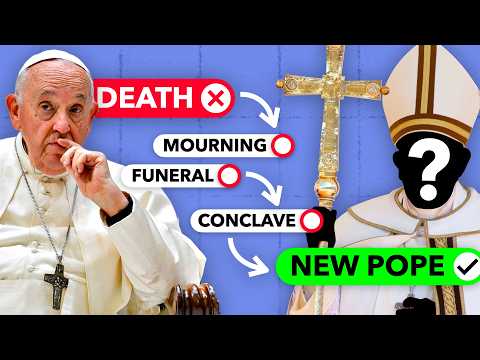
This blog post explores the process that unfolds when a pope dies, including the mourning period, the conclave for electing a new pope, and potential successors to Pope Francis, who is currently in critical condition.
The papacy, a unique institution within the Catholic Church, operates under a theocratic absolute monarchy. With Pope Francis currently in critical condition, there is heightened interest in understanding the procedures that follow the death of a pope, the election of a new pope, and potential candidates for succession.
The pope serves as the sovereign leader of Vatican City State and the head of the Catholic Church, which boasts a global following of over 1.3 billion people. Pope Francis, born Jorge Mario Bergoglio, became pope in 2013 after the resignation of Pope Benedict XVI. He is notable for being the first Latin American pope and the first pope from outside Europe in nearly 1,300 years.
When a pope passes away, the process begins with confirmation of death by medical professionals, followed by a ceremonial declaration by a Vatican official known as the camerlengo. The camerlengo will call out the pope's baptismal name three times, and upon receiving no response, he will officially declare the pope dead. A public announcement will follow, marking the end of the pope's reign.
Following the pope's death, the gold signet ring and seal are broken, and the papal apartment is locked. This initiates a period known as Sede Vacante, meaning "the seat is vacant," which lasts until a new pope is elected. The first nine days after the pope's death are designated for mourning, known as Novendiali. During this time, the pope will lie in state at St. Peter's Basilica, allowing the public to pay their respects. A funeral and burial will occur between four to six days after the death.
Pope Francis has expressed a desire for a simplified funeral, opting for an open wooden coffin instead of the traditional elevated catacomb. He has also chosen to be buried at Santa Maria Maggiore Basilica in Rome, making him the first pope in a century to be interred outside the Vatican.
In the event of a pope's death, the conclave, or papal election, typically begins 15 to 20 days later. The conclave is a highly secretive process overseen by the dean of the College of Cardinals. Only cardinals under the age of 80, known as Cardinal electors, are eligible to vote, with a maximum of 120 electors allowed, although there are currently 138.
While there are no official candidates, any baptized Catholic male can be elected pope. However, the last time a non-cardinal was elected was in 1378. The voting process involves secret ballots, with a two-thirds majority required for election. After each voting round, the ballots are burned, and colored smoke is released from a chimney to indicate the outcome: black smoke means no pope was elected, while white smoke signifies a new pope has been chosen.
The conclave can take varying lengths of time; for instance, the 2013 conclave lasted just over 24 hours, while the longest conclave in history lasted nearly three years.
While the election process is shrouded in secrecy, speculation about potential successors is common. Vatican watchers often compile lists of cardinals considered likely candidates, known informally as papabili. Here are a few notable names:
It is important to note that the political spectrum does not neatly apply to the selection of a pope, as cardinals may hold diverse views on various issues.
The transition of papal leadership is a complex and deeply ceremonial process that reflects the traditions of the Catholic Church. As the world watches Pope Francis's health closely, the eventual transition will not only mark the end of one papacy but also the beginning of another, with implications for the global Catholic community. Until the white smoke rises above the Vatican, the future remains uncertain, and speculation will continue regarding who will take on the mantle of leadership in the Catholic Church.



















